World · Malaysia Bureau
Haze Crisis Demands Accountability from Both Nations
Citizens across Malaysia and Indonesia continue to suffer the health and environmental consequences of transboundary smoke pollution. Regional experts and officials are calling for stronger enforcement and accountability measures to address the recurring crisis.
LSN Malaysia ·
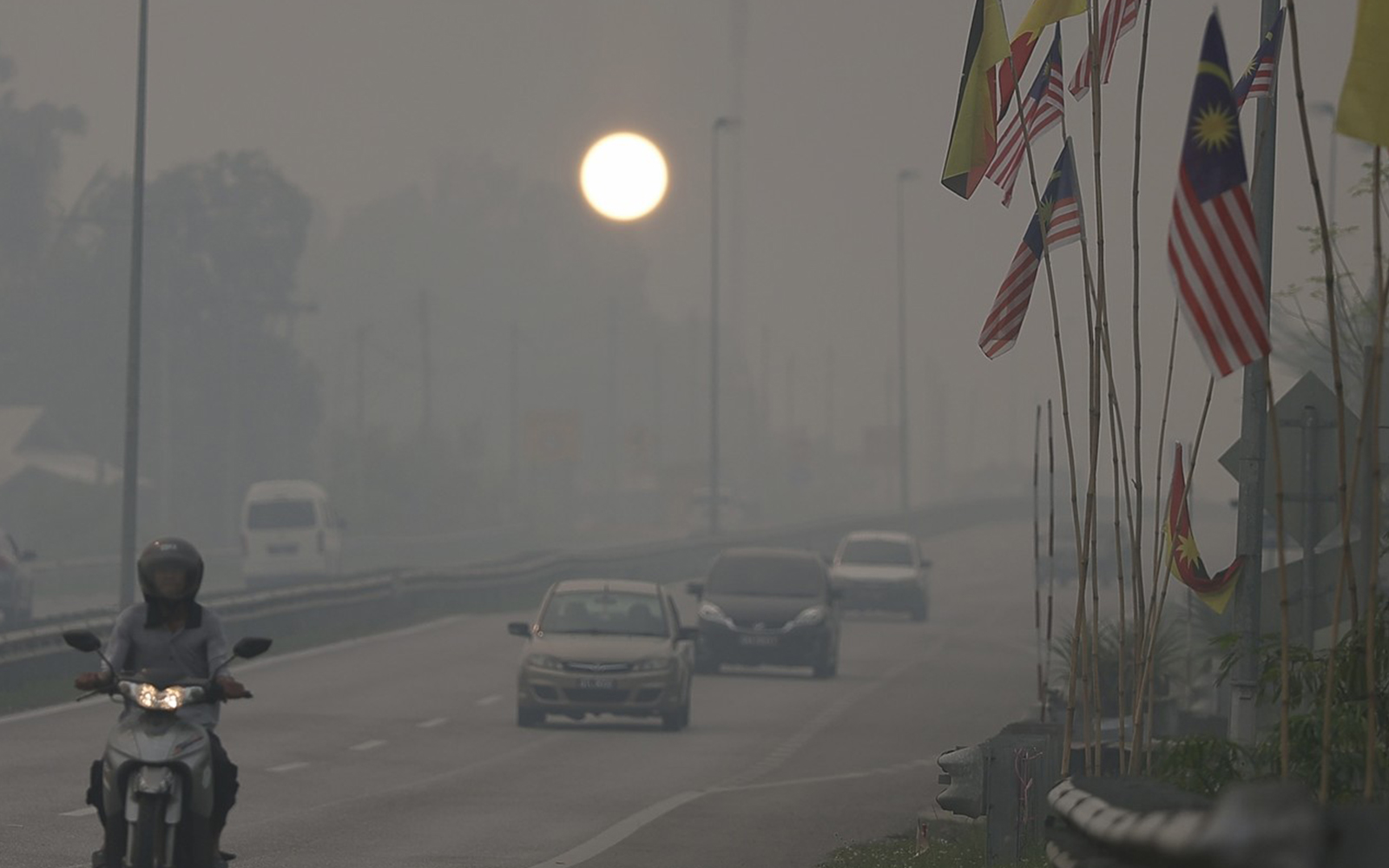
Smoke haze remains a persistent challenge for millions of residents across Malaysia and Indonesia, with ordinary citizens bearing the direct consequences of air pollution that regularly exceeds safe levels. The phenomenon, driven largely by land-clearing activities and agricultural burning, has prompted renewed calls for decisive action from both governments.
The impact extends beyond environmental concerns, affecting public health, economic productivity, and daily quality of life across the region. Schools have closed, outdoor activities curtailed, and respiratory illnesses reported at elevated rates during peak haze periods. Healthcare systems in affected areas face increased patient loads during these episodes.
Regional observers emphasize that addressing the crisis requires more than acknowledgment—it demands concrete enforcement of existing environmental regulations and clear accountability for violations. Both Malaysian and Indonesian authorities have pledged cooperation through bilateral agreements, yet implementation gaps persist.
Experts argue that stronger penalties for companies engaged in prohibited burning practices, coupled with enhanced monitoring and transparent reporting mechanisms, could serve as meaningful deterrents. The challenge remains translating policy commitments into measurable improvements in air quality that benefit communities on both sides of the border.
As haze season approaches, pressure mounts on officials to demonstrate substantive progress rather than issuing seasonal warnings. The stakes for public health and regional cooperation remain high.