World · Singapore Bureau
Haze Returns to Region: Guide to Mask Protection and Effectiveness
As transboundary haze affects air quality across Southeast Asia, health experts clarify which masks offer protection and whether stockpiled supplies remain effective for use.
LSN Singapore ·
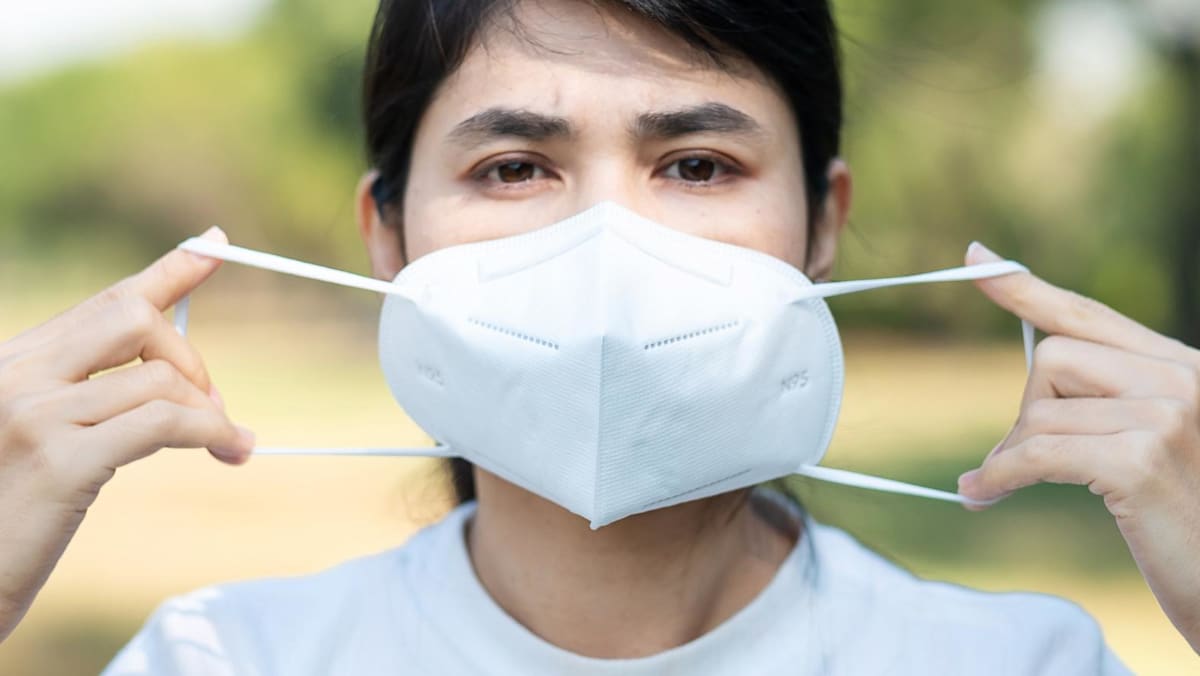
With haze conditions returning to the region, residents are reassessing their personal protective equipment, particularly masks stored from previous episodes or the COVID-19 pandemic. Understanding the differences between available mask types is essential for making informed decisions about respiratory protection during periods of poor air quality.
N95 masks remain the most effective option for filtering airborne particulates, offering a high level of protection when properly fitted and sealed against the face. These respirators filter at least 95 percent of airborne particles and are specifically designed to protect wearers from fine particulate matter. Surgical masks, by contrast, primarily prevent wearers from transmitting particles to others rather than protecting the wearer from inhaling contaminants, making them less suitable as a personal protection tool during haze events.
Residents with existing stockpiles of N95 masks may safely reuse them if stored properly in dry conditions away from direct sunlight and humidity. The masks' filtration effectiveness remains intact provided they have not been damaged, compressed, or exposed to excessive moisture. However, masks should be replaced if the straps are torn, the seal is compromised, or visible damage is present.
Experts recommend N95 masks primarily for vulnerable populations, including children, the elderly, and those with existing respiratory conditions. Proper fit testing ensures the mask creates an adequate seal, which is critical to its protective function. For the general population during moderate haze conditions, other measures such as remaining indoors with air filtration systems and monitoring air quality indices may prove equally practical alongside selective mask use.