World · Vietnam Bureau
HCMC's electric vehicle transition faces feasibility questions from experts
Ho Chi Minh City's ambitious timeline for shifting to electric vehicles to reduce traffic emissions has drawn skepticism from specialists who question whether the plan can be realistically implemented. Experts cite practical and infrastructural challenges that may hamper the city's environmental goals.
LSN Vietnam ·
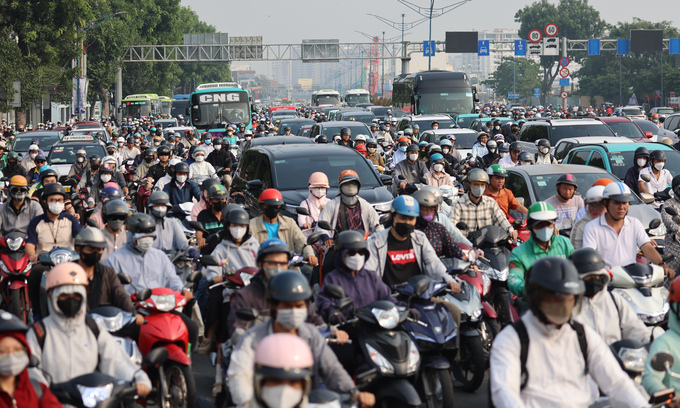
Ho Chi Minh City officials have outlined a roadmap to accelerate the adoption of electric vehicles as part of efforts to combat urban air pollution and traffic-related emissions. However, industry analysts and transportation specialists have raised concerns about the feasibility and accelerated nature of the proposed transition schedule.
According to experts consulted on the plan, several significant obstacles could impede implementation. These include insufficient charging infrastructure across the sprawling metropolitan area, limited availability of affordable electric vehicle models suited to local market conditions, and the substantial financial burden that widespread fleet conversion would impose on individual vehicle owners and commercial operators.
Additionally, specialists point to the lack of a comprehensive regulatory framework and supporting policies needed to facilitate such a large-scale transition. Questions persist regarding electricity supply capacity, grid modernization requirements, and the readiness of the local automotive sector to adapt manufacturing and service operations to electric vehicle technologies.
Transportation planners argue that while transitioning to electric vehicles represents a worthwhile long-term goal for reducing emissions in Vietnam's largest city, a more gradual and strategically phased approach would be necessary to ensure successful adoption and minimize economic disruption to stakeholders across the transportation sector.