World · Malaysia Bureau
Health experts call for enhanced air quality monitoring amid smoke crisis
As regional haze threatens public health, respiratory specialists are urging authorities to provide more detailed air pollution data and implement stricter safeguards for vulnerable populations. Current reporting standards, critics say, fail to give Malaysians the information needed to protect themselves.
LSN Malaysia ·
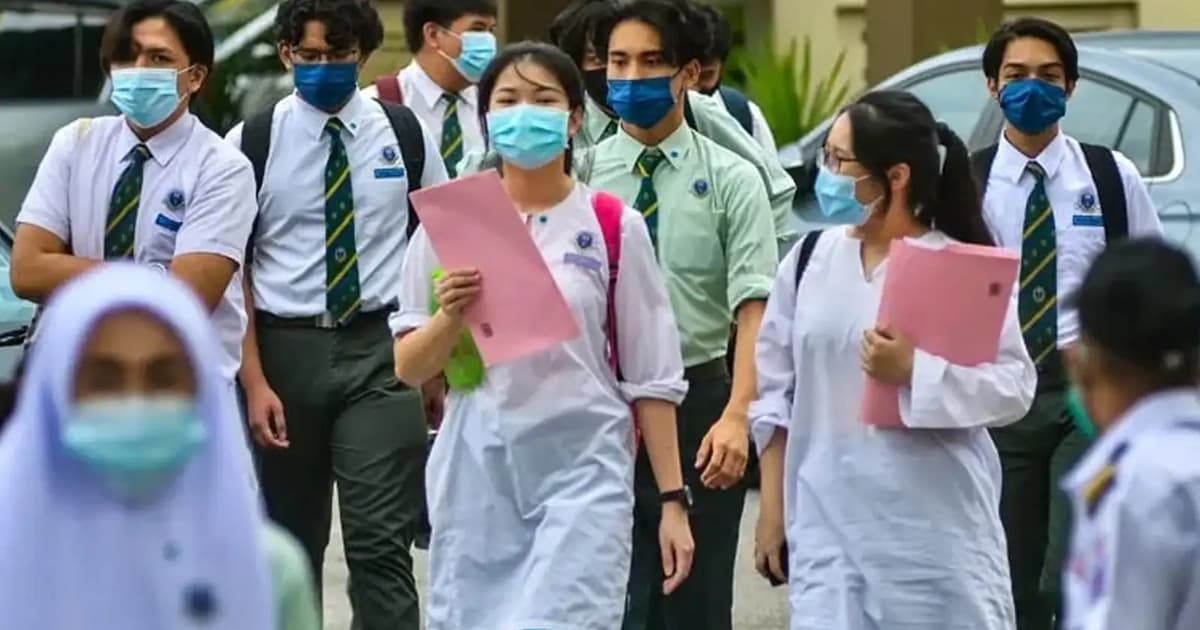
Health authorities and environmental experts are calling for stronger measures to combat smoke pollution, citing gaps in how air quality information is currently communicated to the public. The appeals focus on three key areas: enhanced data transparency, targeted warnings for at-risk groups, and more precautionary thresholds for children in schools.
A primary concern centres on the limited scope of existing reporting mechanisms. While Malaysia's Air Pollutant Index provides an overall assessment of air quality, it does not specify the concentration of harmful particulate matter such as PM2.5—the microscopic particles most capable of penetrating deep into the lungs. Experts contend that publishing PM2.5 readings alongside the current index would give residents a clearer picture of actual health risks and enable better-informed decisions about outdoor activities and protective measures.
Advocates also emphasize the need for early warning systems targeting vulnerable populations, including the elderly, young children, and those with pre-existing respiratory conditions. Advance notifications would allow these groups additional time to prepare and seek medical advice before air quality deteriorates further. Similarly, health professionals are pushing for lower triggers for restricting outdoor activities among schoolchildren, arguing that current thresholds do not adequately account for young people's developing lungs and heightened susceptibility to pollution-related illness.
These recommendations reflect growing recognition that reactive measures alone prove insufficient during periods of heavy smoke exposure. Policymakers are weighing whether adopting more granular air quality metrics and stricter precautionary protocols could significantly reduce health complications across Malaysia's population.