World · India Bureau
Health Experts Warn of H1N1 Transmission Risk in Vehicle Cabins
As H1N1 cases surge across northern India, concerns are mounting about virus transmission in enclosed car spaces, particularly through air conditioning systems set to recirculation mode.
LSN India ·
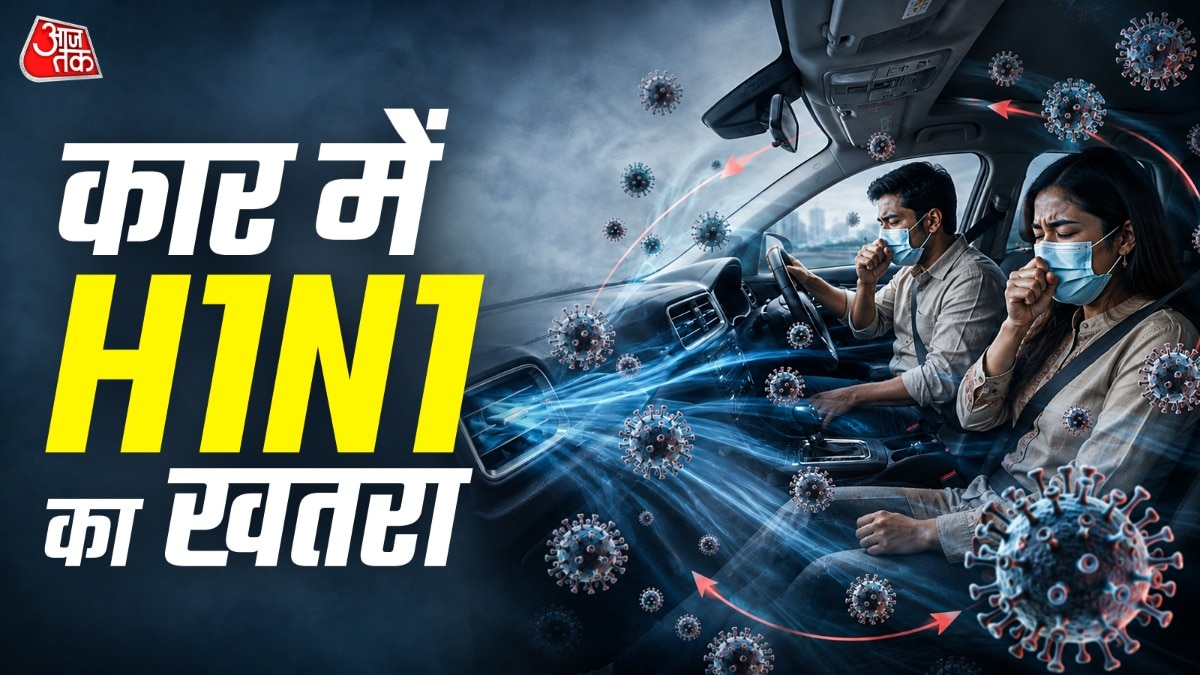
Delhi has recorded nearly 3,000 influenza cases this season, with 2,308 confirmed as H1N1 infections, prompting fresh scrutiny of transmission risks in everyday settings. The concern intensified after Rajasthan's Agriculture Minister Kirodi Lal Meena tested positive for the virus and was admitted to intensive care, drawing attention to potential exposure pathways.
Health officials and automotive safety experts are now examining whether vehicle cabins present an elevated risk for H1N1 transmission. The discussion has centered on air conditioning systems, particularly when set to recirculation mode—a feature that cycles cabin air rather than drawing in fresh outside air.
When a vehicle's AC operates in recirculation mode, air is continuously recycled through the cabin without external ventilation. Experts warn this configuration may allow respiratory droplets from an infected passenger to concentrate and circulate among occupants, potentially increasing transmission risk compared to external air intake modes.
To minimize exposure risk, health authorities recommend passengers and drivers use the external air intake setting in their vehicles' climate control systems. Regular cabin air filter replacement and maintaining proper vehicle ventilation remain standard precautions during periods of elevated respiratory illness transmission.
The advisory adds to growing awareness of H1N1 transmission in enclosed spaces as cases continue to rise across northern India during the current season.