Culture & Entertainment · India Bureau
Health Halo Effect: Can Trendy Festival Foods Deliver Better Nutrition?
As Indian festive menus increasingly feature millet-based dishes and air-fried alternatives to traditional sweets, nutritionists caution that ingredient substitutions alone may not guarantee healthier eating patterns during celebrations.
LSN India ·
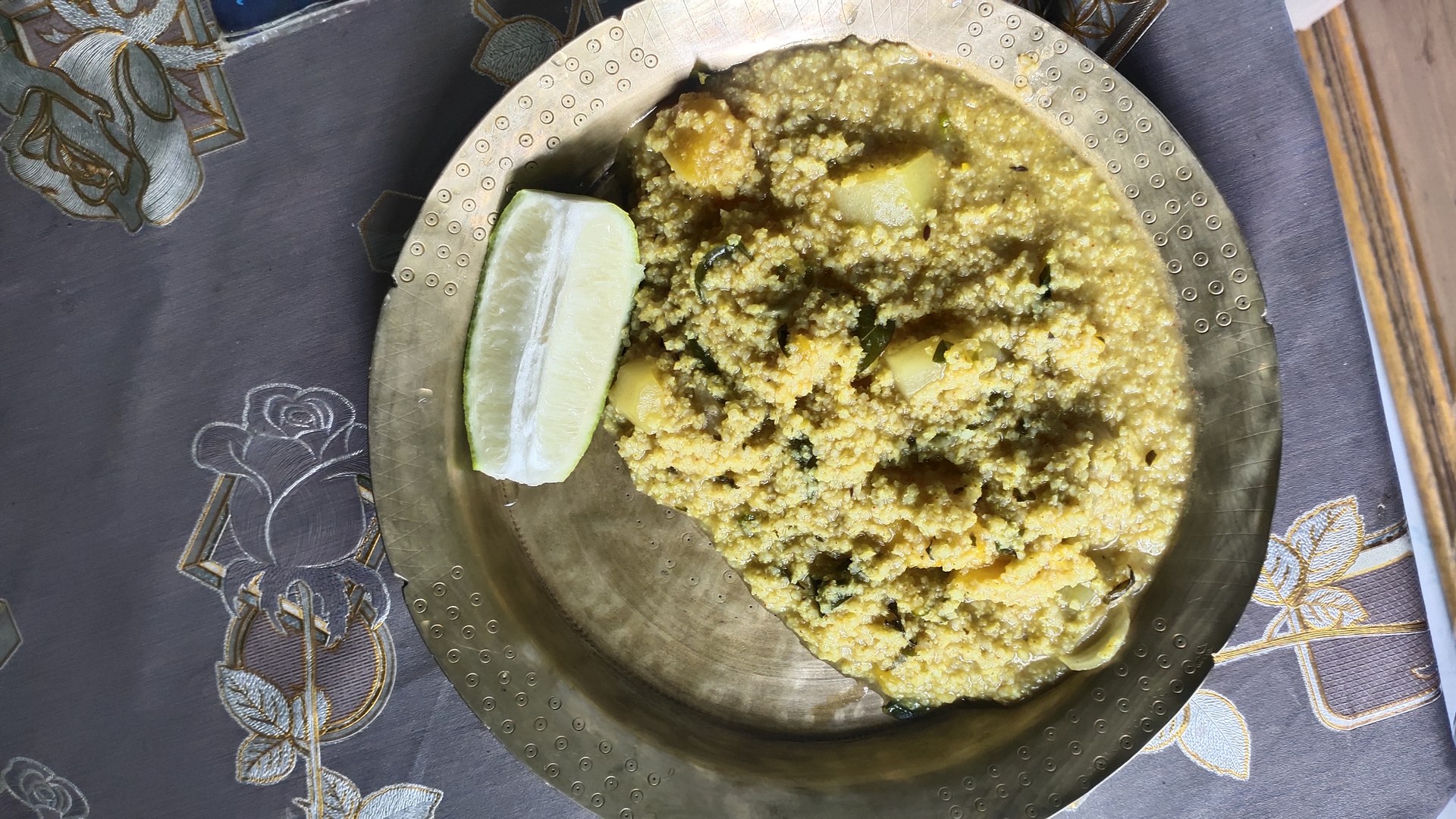
Festival season across India has witnessed a growing shift towards foods marketed as health-conscious alternatives. From millet-infused appetisers replacing conventional starters to air-fried preparations of classic treats, food manufacturers and home cooks alike have embraced ingredient swaps as a path to guilt-free indulgence. Yet experts warn that simply replacing one ingredient with another—such as substituting refined flour with millets or deep-frying with air-frying—does not automatically transform festive diets into nutritionally superior choices.
The appeal of these trending options lies in their perceived health benefits. Millets contain higher micronutrient density compared to refined grains, and air-frying reduces oil consumption relative to traditional deep-frying methods. However, nutritionists point out that festive eating involves more complex dietary patterns than any single ingredient modification can address. Traditional sweets like gulab jamun or jalebi, whether prepared with alternative flours or cooking methods, remain calorie-dense foods typically consumed in quantities that negate their marginal nutritional advantages.
The phenomenon reflects what researchers term the "health halo effect"—the tendency for consumers to overestimate the nutritional value of foods marketed with health-focused messaging. A millet-based snack may contain beneficial nutrients, but portion control and overall dietary composition during festive periods remain critical factors often overlooked by consumers seeking reassurance from trendy ingredient choices.
Nutritionists emphasise that sustainable festive eating requires viewing food selections within broader dietary context rather than focusing on isolated ingredient swaps. Balancing traditional indulgences with adequate physical activity, adequate water intake, and conscious portion management may prove more effective than relying on reformulated versions of celebration foods.
Photo: Kodo millet khichdi, a millet-based Indian dish, August 2023. Medhi jyoti via Wikimedia Commons (CC BY-SA 4.0).