Politics · Sri Lanka Bureau
Hearing loss affects nearly a third of Sri Lanka's elephant population
Poor quality firecrackers are contributing to widespread deafness among Sri Lanka's elephants, according to the Deputy Minister, with approximately 30% of the country's elephant population now unable to hear.
LSN Sri Lanka ·
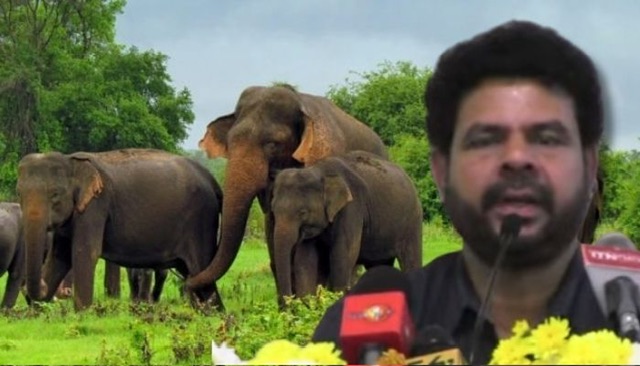
Sri Lanka's elephant population faces a significant public health challenge, with nearly one in three animals suffering from hearing loss, a senior government official has revealed. The Deputy Minister attributed the widespread deafness to the use of substandard "elephant crackers" and other loud devices, raising concerns about the welfare of the country's iconic wildlife.
The high prevalence of hearing impairment among elephants represents a serious threat to the animals' quality of life and survival. Deafness compromises elephants' ability to communicate with their herds, navigate their environment, and respond to potential dangers, experts suggest. Young elephants are particularly vulnerable, as hearing loss during critical developmental periods can have lasting impacts on their social integration and behavioral patterns.
The issue underscores the broader environmental and welfare challenges facing Sri Lanka's elephant population, which remains threatened by habitat loss, human-wildlife conflict, and other pressures. The revelation has prompted renewed calls for stricter regulations on firecracker use near elephant habitats and protected wildlife areas.
Animal welfare advocates are urging the government to implement comprehensive measures to protect remaining elephants from noise pollution and other preventable harm. These efforts come as Sri Lanka seeks to balance conservation goals with development and traditional practices that continue to pose risks to the country's endangered megafauna.