World · India Bureau
Heat damage threatens EV batteries; scientists develop cooling solutions
Charging electric vehicle batteries immediately after driving causes heat damage that reduces their lifespan, researchers warn. Scientists are working on advanced cooling technologies to mitigate this critical issue affecting EV adoption across India.
LSN India ·
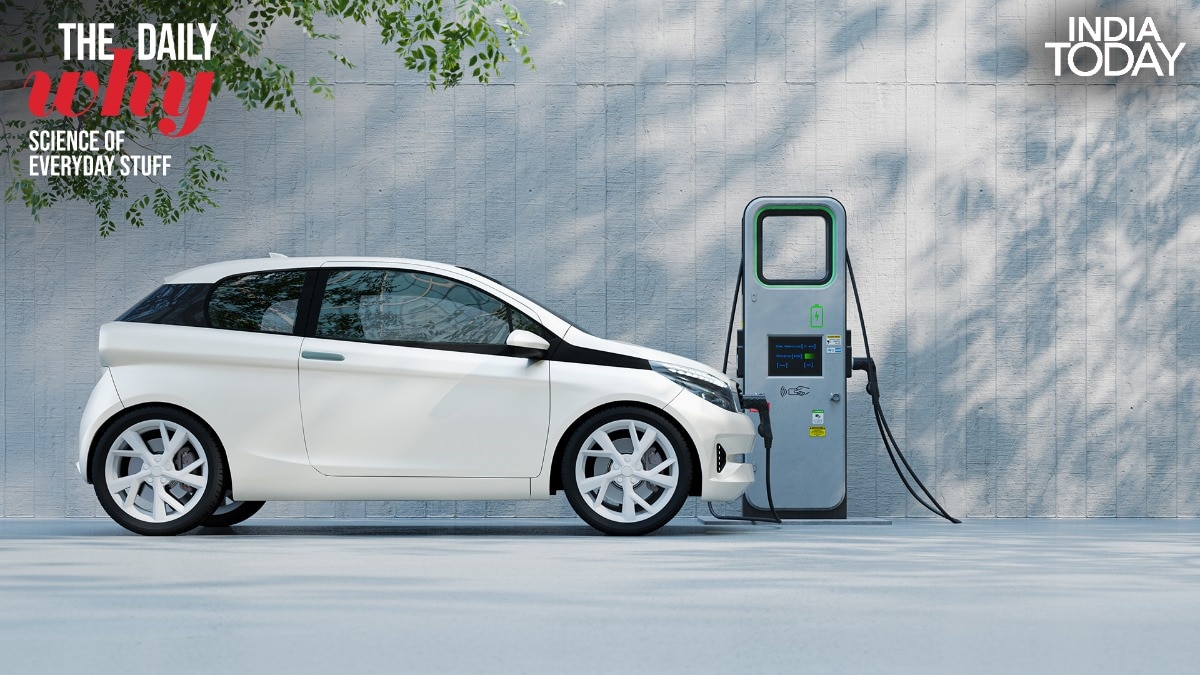
Electric vehicle batteries face significant degradation when charged shortly after driving, as residual heat from operation accelerates chemical reactions that wear down battery cells, according to emerging research in the automotive sector. This phenomenon poses a practical challenge for EV owners in India's hot climate, potentially shortening battery life and increasing long-term ownership costs.
The problem stems from the battery's internal temperature rising during use. When a vehicle is charged immediately afterward, the elevated heat accelerates unwanted chemical processes within the battery pack, leading to faster capacity loss and reduced driving range over time. For Indian consumers already concerned about EV affordability and practicality, this degradation pathway represents a significant maintenance consideration.
Researchers are developing innovative cooling systems designed to bring battery temperatures down before charging begins. These solutions include advanced thermal management technologies, improved battery case designs, and intelligent charging algorithms that delay or moderate charging until temperatures normalize. Some approaches involve phase-change materials and enhanced cooling fins that dissipate heat more efficiently.
As India's electric vehicle market expands with government incentives and charging infrastructure development, addressing battery longevity becomes crucial for consumer confidence. These technological advances could help extend battery warranties and reduce the total cost of EV ownership, making electric vehicles increasingly competitive with conventional automobiles in the Indian market.