Business · Sri Lanka Bureau
Heat stress could eliminate 147,000 jobs in Sri Lanka, Maldives by 2040
The International Labour Organization warns that rising workplace temperatures threaten to cost Sri Lanka and the Maldives over 140,000 jobs within two decades, even under low-emissions scenarios. Economic productivity and worker wellbeing face mounting pressure from climate-driven heat stress.
LSN Sri Lanka ·
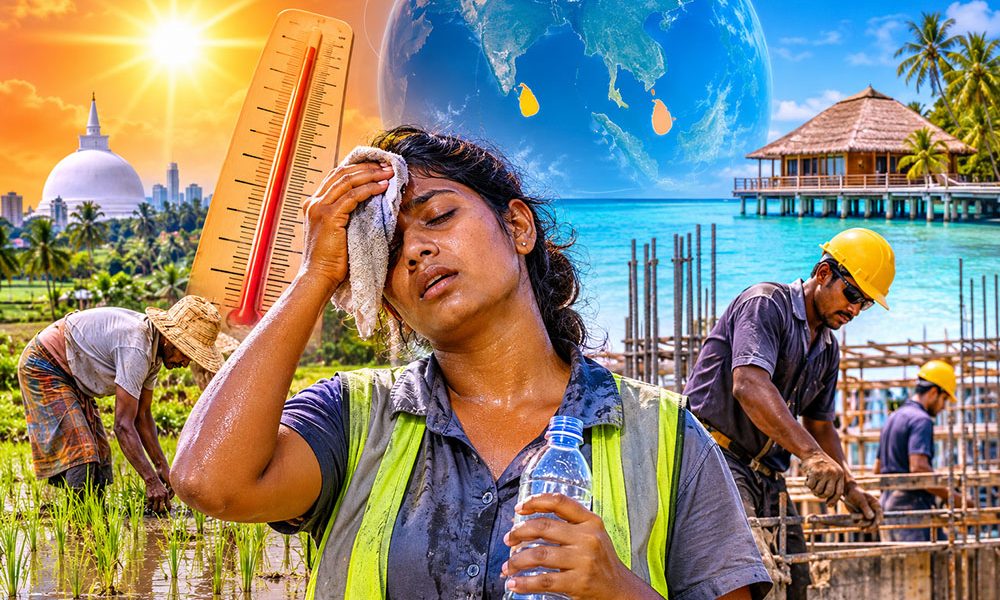
The International Labour Organization has issued a stark warning about the employment toll of escalating heat stress in South Asia, predicting that Sri Lanka and the Maldives face the loss of approximately 147,000 jobs by 2040 due to rising temperatures and workplace heat conditions.
New research from the ILO underscores how climate change is already dampening worker productivity and economic output across the region. The organization projects that these challenges will intensify substantially over the coming decades as global temperatures continue to rise.
The job losses represent a significant economic threat for both island nations, where outdoor and heat-exposed sectors including agriculture, construction, and fishing form critical components of employment and GDP. Workers in these industries face heightened health risks from prolonged heat exposure, including dehydration, heat exhaustion, and reduced physical capacity.
The ILO's findings emphasize that even countries implementing aggressive climate mitigation measures face unavoidable employment consequences in the near term. Policymakers in Sri Lanka and the Maldives are urged to develop comprehensive strategies addressing worker protection, sectoral adaptation, and just transition programs to minimize the socioeconomic impact of heat-related job displacement.
Experts stress that proactive measures including workplace safety standards, heat monitoring systems, and skills development programs will be essential to protect vulnerable workers and maintain economic resilience as temperatures rise.