World · Malaysia Bureau
Heavy rain fails to ease Malaysia's persistent haze problem
Despite recent downpours across the Klang Valley and other regions, Malaysia continues to grapple with hazardous air quality. Experts attribute the stubborn haze to transboundary smoke sources and atmospheric conditions that prevent rainfall from effectively dispersing pollutants.
LSN Malaysia ·
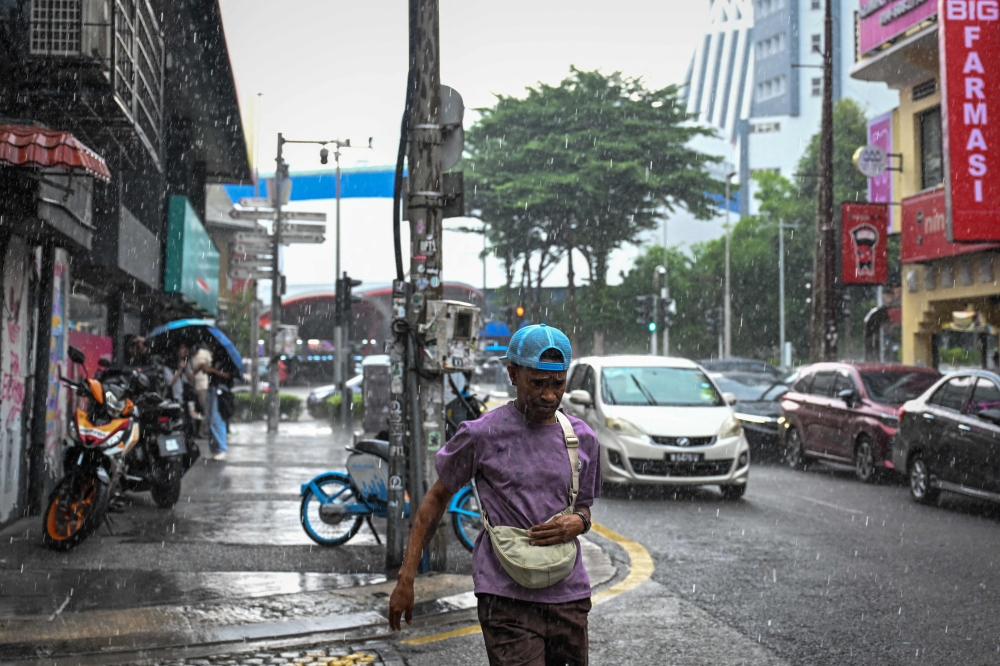
Malaysia's air quality crisis has persisted despite substantial rainfall in recent weeks, defying public expectations that wet weather would provide relief from the haze blanketing much of the country. The Klang Valley and surrounding areas have experienced heavy rain and thunderstorms, yet air pollution levels remain elevated, prompting questions about why precipitation has failed to clear the smoky conditions.
Environmental scientists point to multiple factors explaining this phenomenon. Transboundary haze originating from agricultural burning and industrial fires in neighbouring regions continues to drift into Malaysian airspace, replenishing pollutants faster than rainfall can disperse them. Additionally, atmospheric conditions including wind patterns and temperature inversions can trap smoke close to ground level, limiting the effectiveness of rain in clearing the air.
The timing of rainfall also plays a crucial role in haze mitigation. While precipitation does help suppress smoke particles in the immediate vicinity, it cannot address pollution sources located hundreds of kilometres away. Experts note that sustained, region-wide wet weather systems are required to produce meaningful improvements in air quality, rather than isolated rain events.
Malaysian authorities have continued monitoring the situation closely, with the Air Pollutant Index serving as a key indicator for public health advisories. Environmental agencies recommend residents in affected areas take precautions including the use of protective masks, particularly for vulnerable populations including children and the elderly.