Business · India Bureau
HeLa Cells: How One Woman's Death Advanced Modern Medicine
Henrietta Lacks died of cervical cancer in 1951 at age 31, but her cells became immortal and revolutionized biomedical research. Her story raises enduring questions about medical ethics, patient consent, and the rights of research subjects.
LSN India ·
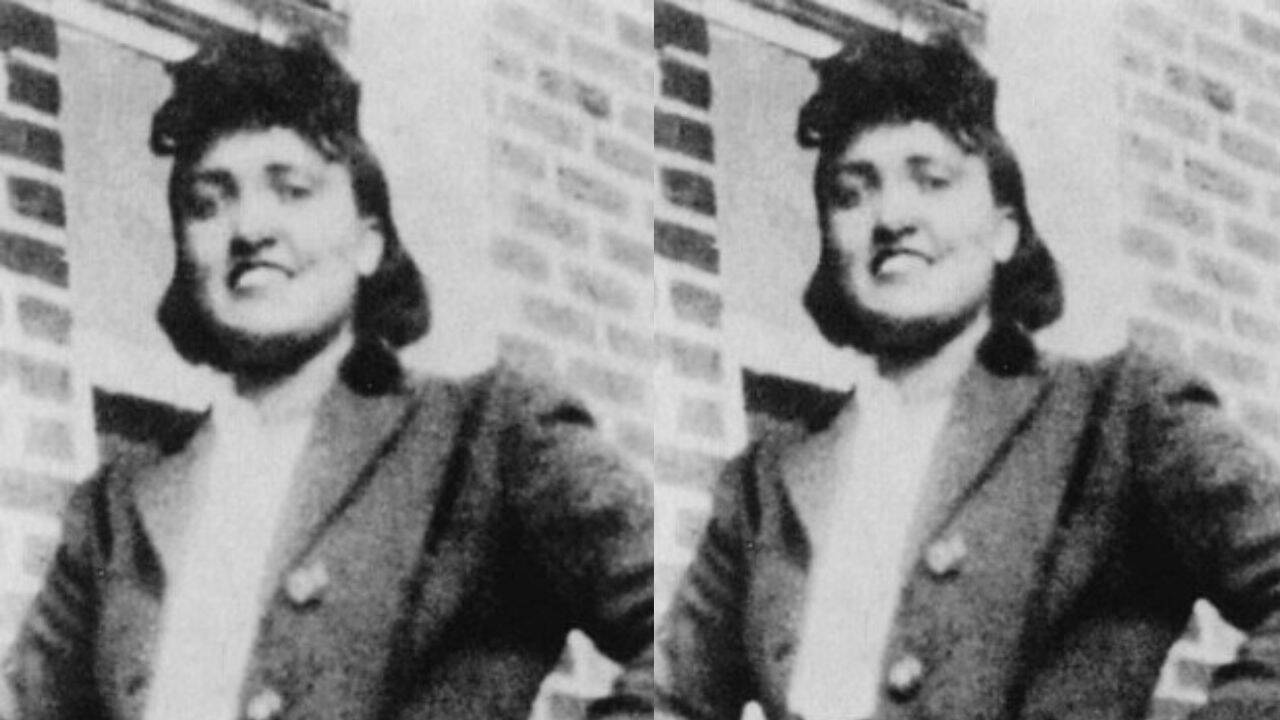
Henrietta Lacks' cervical cancer cells, later known as HeLa cells, transformed the landscape of modern medicine after her death at Johns Hopkins Hospital in Baltimore. Unlike normal human cells that deteriorate over time, HeLa cells proved capable of dividing indefinitely in laboratory conditions, providing researchers with an unprecedented tool for medical advancement.
The applications of HeLa cells proved far-reaching and consequential. Scientists utilised these cells to develop the polio vaccine, conduct cancer research, study infectious diseases, and advance numerous other medical investigations. The cells became fundamental to countless laboratory studies that shaped twentieth-century medicine, yet Lacks herself remained largely unknown to the scientific community for decades.
Lacks' family was unaware that her cells had been harvested and used for research purposes. No consent was sought from Lacks or her relatives before her cellular material was extracted and distributed to laboratories worldwide. This lack of transparency remained concealed for more than twenty years, revealing a significant gap in medical ethics practices of the era.
The Lacks family's eventual discovery of the cells' widespread use sparked broader conversations about patient autonomy, informed consent, and the equitable distribution of benefits derived from medical research. These discussions have influenced modern bioethics standards and research protocols across institutions globally. Today, Henrietta Lacks' legacy extends beyond her scientific contributions to encompass ongoing debates about human dignity, research ethics, and the responsibilities of medical institutions to research subjects and their families.