Culture & Entertainment · India Bureau
Hemingway's Pamplona: How Spanish city sustains literary tourism legacy
A century after Ernest Hemingway's novel brought Pamplona to international attention, the Spanish city continues capitalising on its literary heritage and cultural traditions to attract visitors from around the world.
LSN India ·
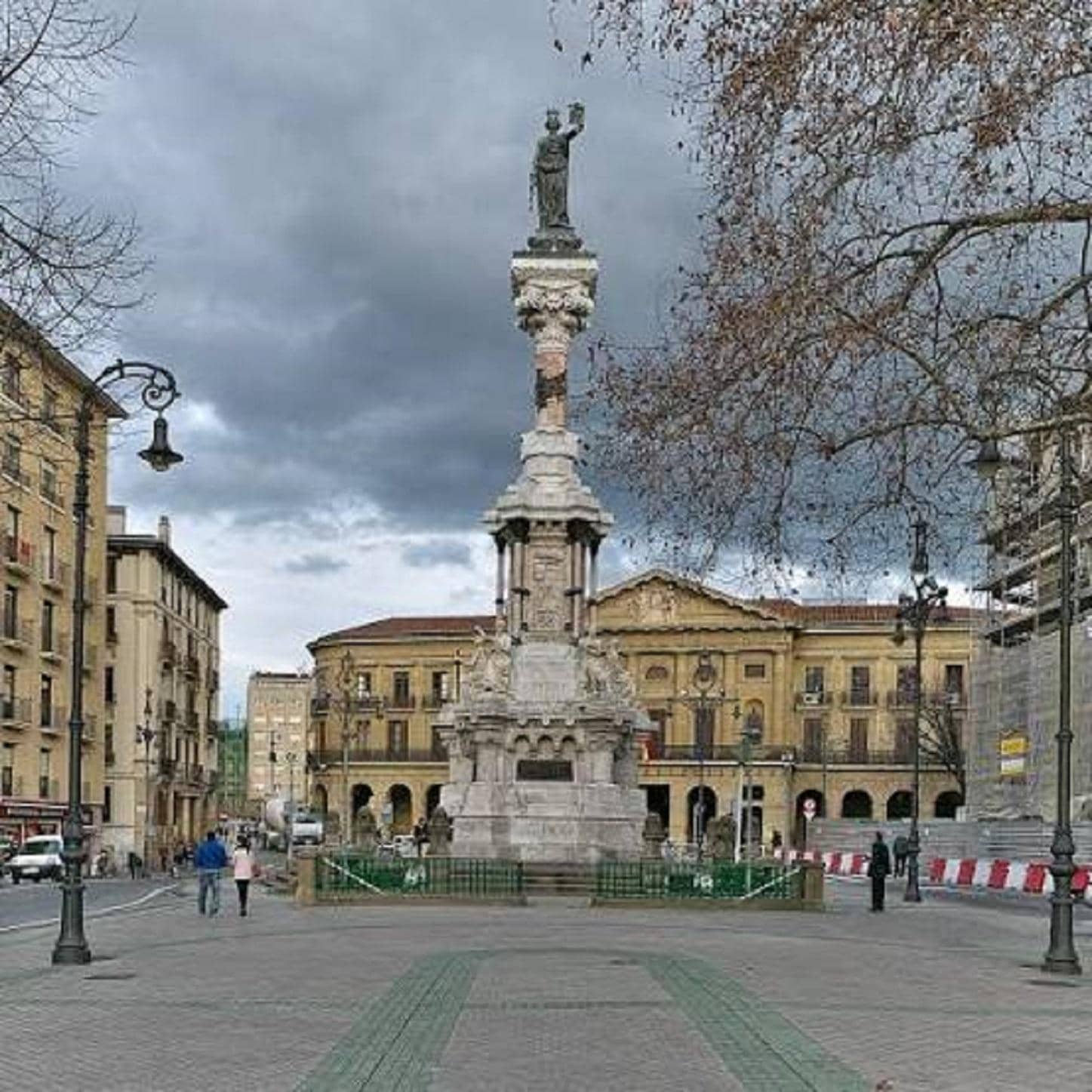
Pamplona has cemented its place in global cultural consciousness through its association with Hemingway's 1926 novel "The Sun Also Rises," which depicted the city's renowned San Fermín festival and its bohemian atmosphere. The American writer's vivid portrayal of the annual celebration and the city's character has endured as a defining cultural reference, drawing successive generations of literary enthusiasts and adventure seekers to northern Spain.
The city's historic cafes and plazas, many referenced in Hemingway's work, remain central to Pamplona's appeal as a cultural destination. These establishments continue serving as gathering points for both locals and tourists, preserving the atmospheric qualities that captivated Hemingway during his visits and subsequently immortalised in his writing.
The San Fermín festival, held annually in July, remains the city's signature event and primary draw for international visitors. The week-long celebration, featuring the famous encierro—or running of the bulls—attracts thousands seeking to experience the spectacle and danger that Hemingway chronicled, transforming the city into a focal point of Spanish cultural tradition and literary tourism.
Decades after Hemingway's death, Pamplona has leveraged its literary heritage to sustain tourism while maintaining its authentic character. The convergence of historic architecture, cultural traditions, and literary significance has established the city as a distinctive destination that transcends typical tourist experiences, offering visitors a tangible connection to early 20th-century modernist literature and Spanish regional culture.