Sport · India Bureau
Henrietta Lacks case prompts ethics overhaul in global biomedical research
The long-overlooked contribution of Henrietta Lacks to medical science has finally gained recognition, spurring new regulatory frameworks that prioritize patient dignity and informed consent in research. Her family's decades-long advocacy has led to strengthened ethical guidelines governing the use of human biological material.
LSN India ·
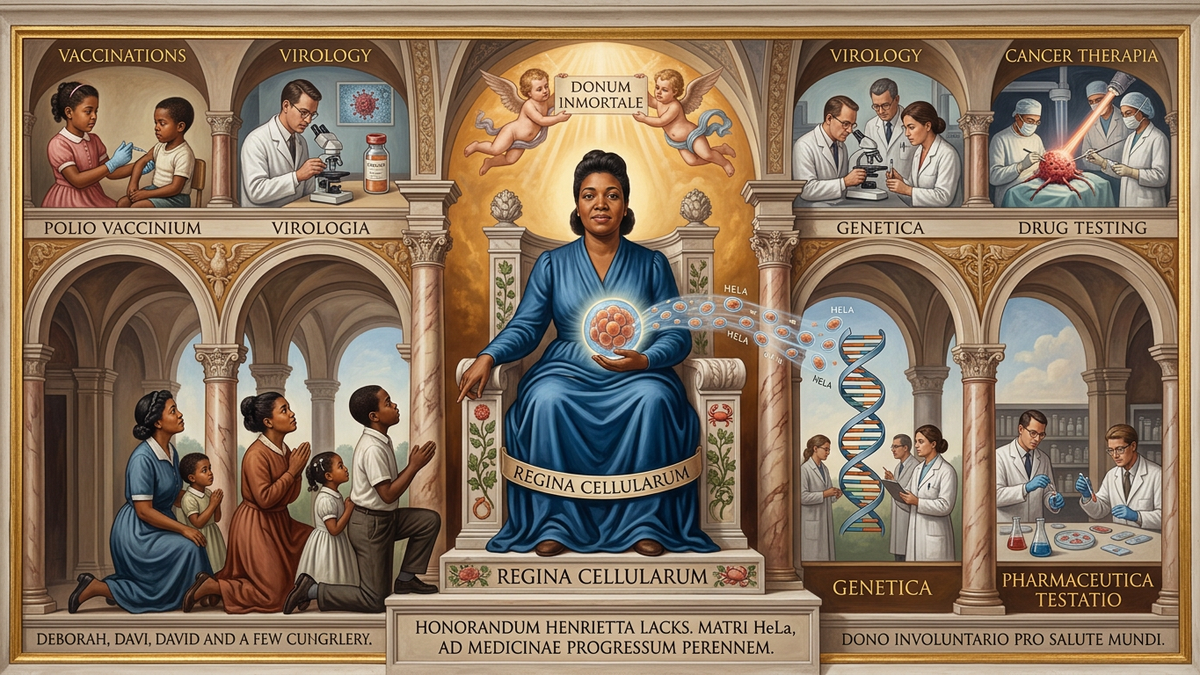
Henrietta Lacks, an African American woman whose cells were harvested without her knowledge or consent in 1951, has become a pivotal figure in reshaping biomedical ethics worldwide. The HeLa cells taken from her cervical tissue became instrumental in countless scientific breakthroughs, yet her name and story remained absent from the scientific record for decades, a historical omission that is now being systematically corrected.
The Lacks family's sustained campaign to recognize her contributions and secure acknowledgment for their mother has catalyzed significant changes in how the scientific community approaches research ethics. Their efforts have drawn global attention to the disparities in how patient contributions to science are documented and credited, particularly among marginalized communities.
In response to these advocacy efforts, regulatory bodies and research institutions across multiple countries have begun implementing stricter protocols requiring explicit informed consent before human tissue samples can be used in research. These new standards ensure that donors understand how their biological material will be utilized and retain certain rights regarding its application.
The shift represents a fundamental recalibration of research ethics, moving beyond purely scientific considerations to encompass respect for individual autonomy and dignity. Medical institutions, from academic centers to pharmaceutical companies, are now reviewing their policies to align with enhanced ethical frameworks that acknowledge both the scientific value and the human cost of biomedical research.
This evolution in research governance signals a broader commitment to ensuring that future contributions to medical science do not come at the cost of ethical compromise or historical invisibility.