Culture & Entertainment · India Bureau
Hidden gut bacteria linked to disease may spread globally, study warns
Scientists have identified previously unknown populations within common gut bacteria that are associated with ageing, colorectal cancer, and type 2 diabetes. The research suggests these bacterial strains can spread between individuals and across continents within decades, indicating the human microbiome is far more transmissible than believed.
LSN India ·
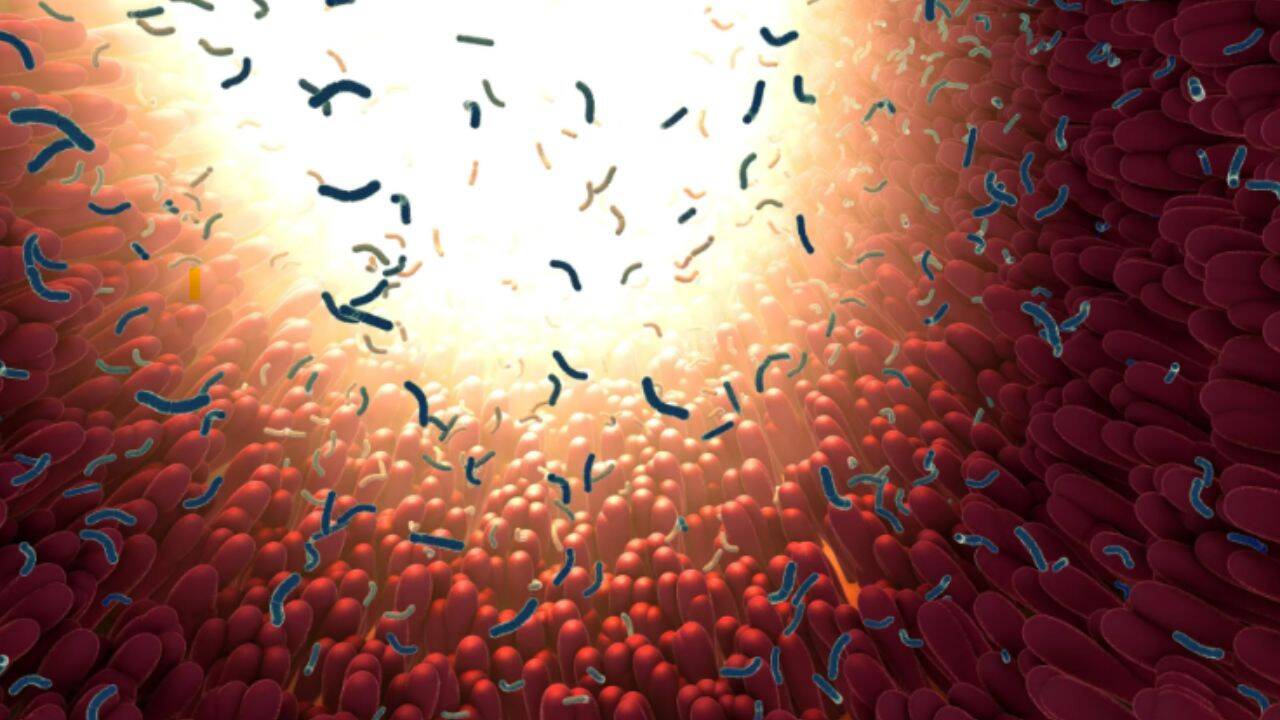
Researchers at the University of Vienna have uncovered hidden bacterial populations residing within commonly found gut microorganisms, some of which are connected to major health conditions affecting millions worldwide. The discovery challenges existing understanding of how stable the human microbiome is, revealing that certain bacterial strains may be more mobile and communicable than previously recognised.
The study identified these cryptic bacterial populations within species already known to inhabit the human digestive system. Among the concerning links are associations with ageing processes, colorectal cancer development, inflammatory bowel disease, and type 2 diabetes—conditions that represent significant public health burdens across Asia and globally.
Most significantly, the research provides evidence that specific bacterial populations can transfer between people and spread across continents within just a few decades. This transmission capability suggests the composition and characteristics of individual microbiomes may be influenced by interpersonal contact and global movement patterns to a greater extent than previously understood.
The findings have implications for disease prevention and public health strategies in India and the region, where type 2 diabetes and gastrointestinal disorders affect substantial populations. Understanding how these bacterial populations spread could inform approaches to microbiome management and disease risk reduction at both individual and population levels.