World · Philippines Bureau
Higaonon youth transforms coffee byproduct into marketable cascara tea
A young entrepreneur from Agusan del Sur has developed a value-added product from coffee waste, transforming cascara—the dried skin of coffee cherries—into specialty tea. The innovation offers indigenous coffee farmers a new revenue stream while reducing agricultural waste.
LSN Philippines ·
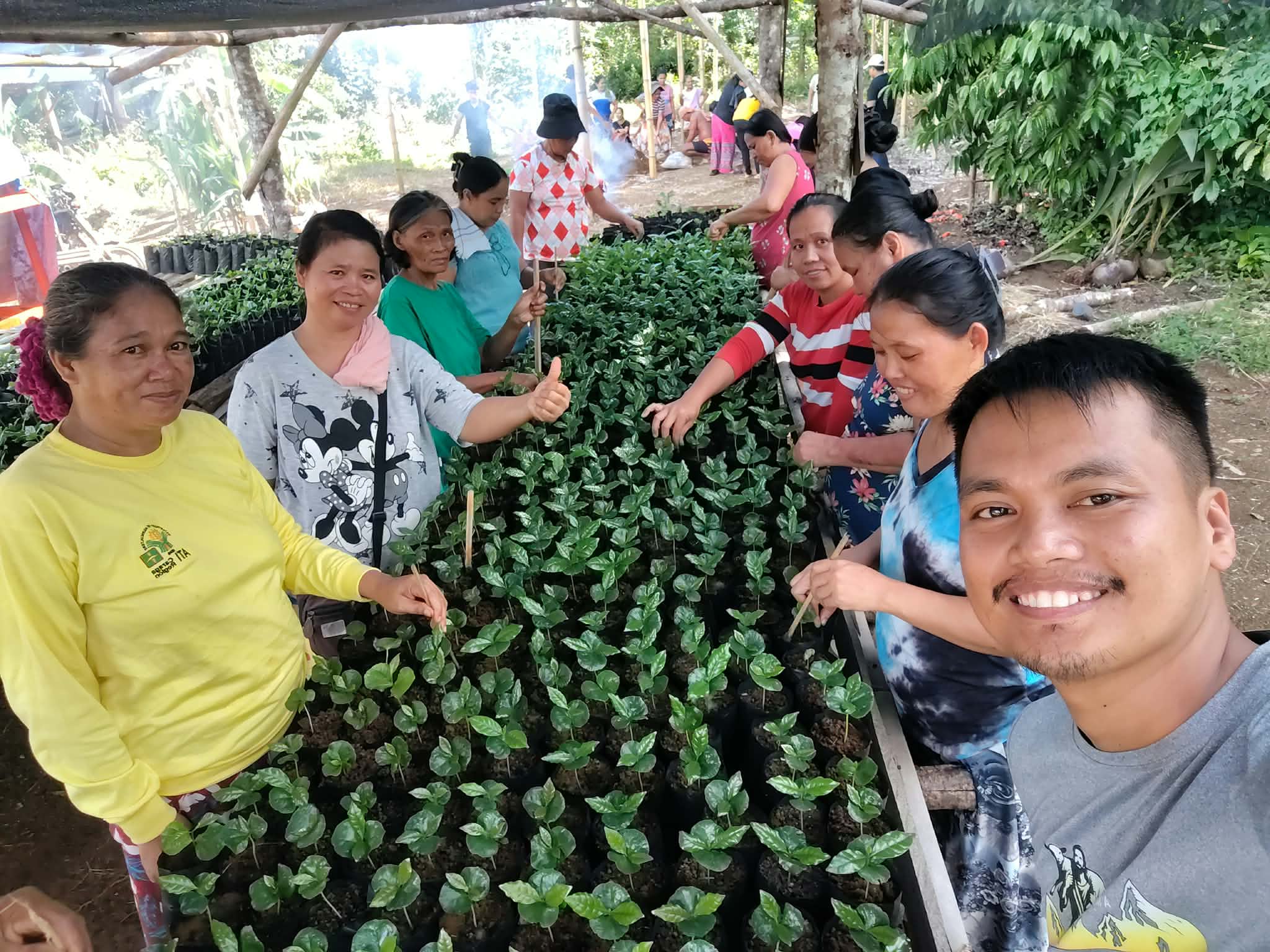
In Esperanza town, Agusan del Sur, the indigenous Higaonon community has long cultivated coffee in the fertile grounds of Sitio San Jose, Barangay Maasin. For four decades, these coffee groves have supplied cherry beans to local communities, but much of the harvest's potential has gone untapped—until now.
A Higaonon youth entrepreneur has begun processing cascara, the dried husks and skin of coffee cherries typically discarded during bean production, into a distinctive tea product. Cascara tea, known for its fruity, slightly sweet flavor profile, has gained international recognition in specialty coffee markets as producers seek sustainable ways to utilize every part of the coffee plant.
The initiative represents both an economic and environmental opportunity for the Higaonon farming communities. By converting agricultural byproducts into a market-ready beverage, the project creates additional income sources while reducing waste at origin. The cascara tea production process requires minimal additional processing beyond sun-drying the cherry skins, making it an accessible option for small-scale coffee producers.
The venture aligns with growing global consumer interest in specialty and sustainable coffee products, potentially opening export pathways for indigenous agricultural producers in Mindanao. As demand for value-added coffee products continues to rise in international markets, such innovations offer indigenous communities pathways to strengthen their economic resilience while preserving traditional farming practices.