Politics · Malaysia Bureau
High Court denies stateless man citizenship claim through paternal link
A High Court has ruled that DNA evidence alone is insufficient to establish Malaysian citizenship through a father, rejecting a stateless man's application for naturalization.
LSN Malaysia ·
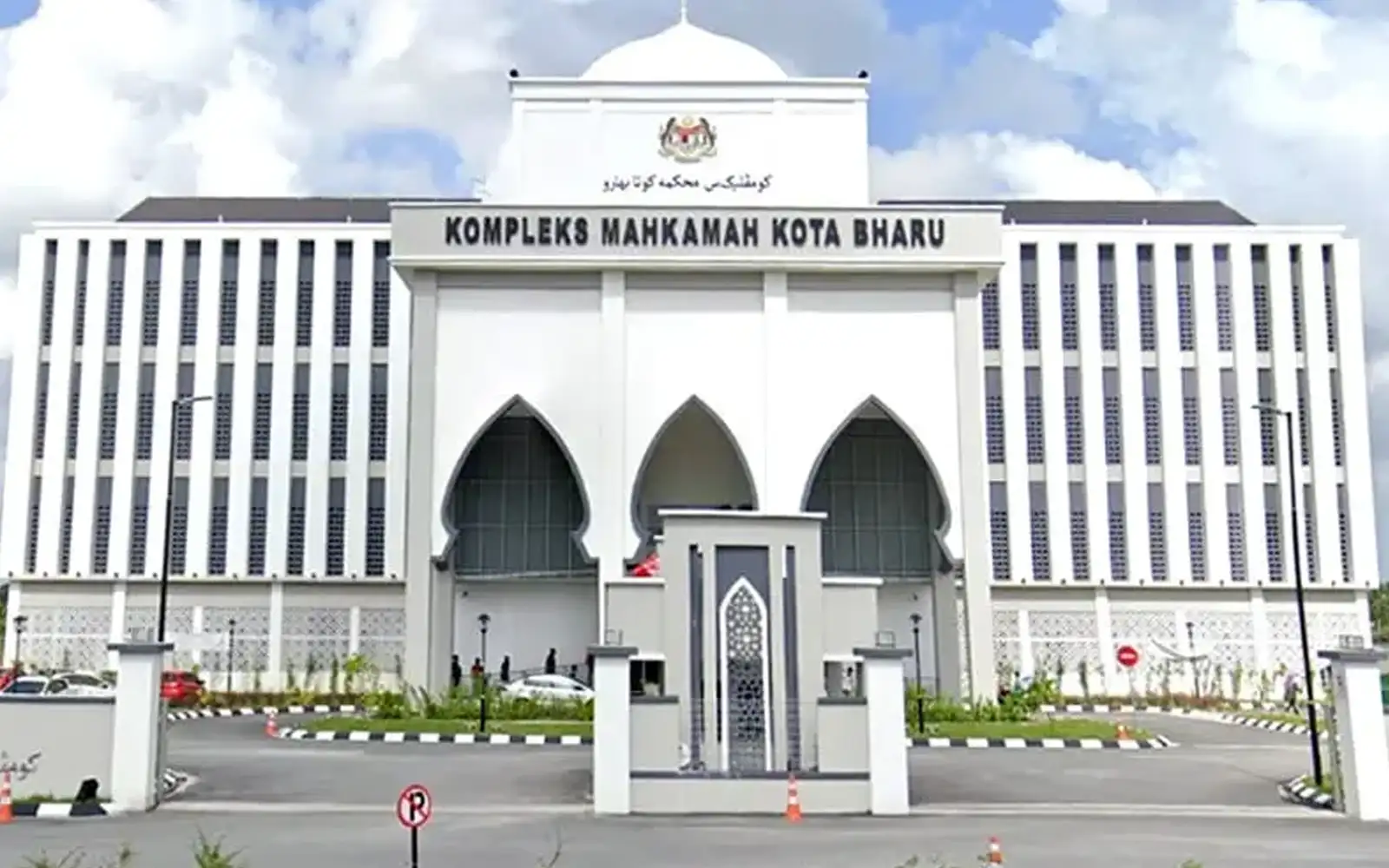
The High Court has dismissed a bid by a stateless individual to obtain Malaysian citizenship based on paternal descent, determining that genetic evidence does not meet the legal threshold for citizenship claims.
The court ruled that while DNA testing may establish biological relationship, it cannot independently satisfy the statutory and documentary requirements necessary to confer citizenship status under Malaysian law. The decision underscores the stringent evidentiary standards applied in nationality cases, where official documentation and formal procedures remain paramount.
The case highlights the challenges faced by stateless persons in the region seeking to establish legal nationality. Malaysian citizenship law requires applicants to demonstrate their claims through recognized legal pathways, including documented evidence of parentage, birth registration, and compliance with constitutional provisions governing citizenship acquisition.
The judgment reflects broader judicial principles applied across Southeast Asia regarding the weight accorded to scientific evidence in citizenship disputes. While DNA testing has become increasingly common in family law matters, courts have generally maintained that citizenship determinations require comprehensive documentary substantiation rather than reliance on biological evidence alone.
The ruling may impact other stateless individuals or those with disputed nationality status seeking similar remedies through the courts. Legal experts note the decision reinforces the importance of proper birth registration and maintenance of citizenship documentation in establishing nationality claims.