World · India Bureau
High-profile executive's personal affairs reignite prenuptial agreement debate
A recent controversy involving a prominent technology sector leader has sparked renewed discussion about the role and necessity of prenuptial agreements among wealthy individuals in Asia. Financial experts and legal professionals are examining how such contracts might protect assets in high-net-worth relationships.
LSN India ·
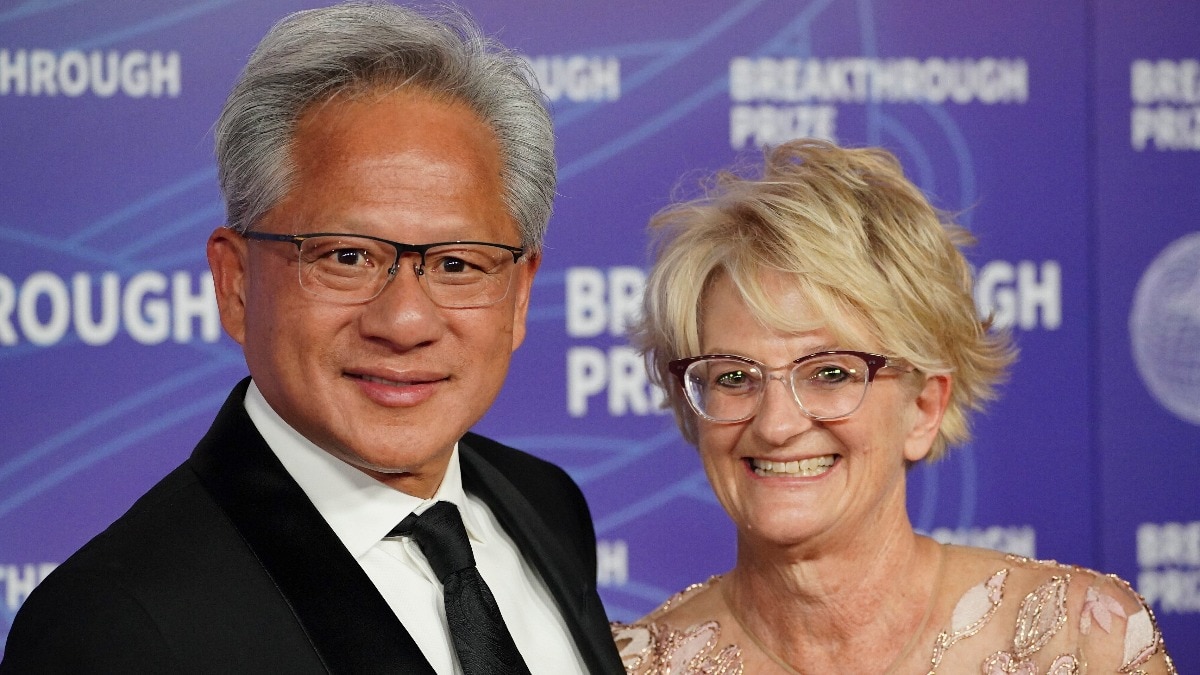
The personal circumstances of a leading technology executive have prompted fresh examination of prenuptial agreements as a financial planning tool, particularly among India's business elite and expatriate communities. Legal analysts note that prenups, once considered taboo in traditional South Asian contexts, are increasingly viewed as pragmatic safeguards for substantial asset portfolios. The renewed attention comes as more affluent individuals recognize the complexity of marital settlements involving significant business holdings and international properties.
Prenuptial agreements, while commonplace in Western jurisdictions, have historically faced cultural resistance in India and neighbouring countries. However, Indian family law permits such arrangements, and courts have increasingly upheld them provided they meet legal requirements regarding disclosure and fair dealing. Financial advisors suggest that high-net-worth individuals—particularly entrepreneurs, executives, and inheritors of substantial family wealth—now see prenups as essential estate planning instruments rather than statements of distrust.
Experts point out that comprehensive prenuptial agreements can address not only asset division but also inheritance rights, business succession planning, and spousal support provisions. In cases involving founders or majority shareholders of significant enterprises, such agreements can protect company continuity and stakeholder interests. Legal professionals emphasize that transparent discussions about financial arrangements before marriage can actually strengthen relationships by establishing clear expectations.
The debate reflects broader trends in India's business community, where younger, globally-exposed wealth holders increasingly adopt protective financial practices. Professional bodies including the Bar Council of India have noted growing interest in family wealth structuring services that incorporate prenuptial planning alongside trusts and succession arrangements.