Business · Sri Lanka Bureau
Higher statutory reserve ratio to lock up Rs140bn of bank funds at Central Bank, costing banks Rs12bn a year in interest
First Capital Research says the Central Bank of Sri Lanka's first increase in the statutory reserve ratio in more than three years will permanently tie up about Rs140 billion of commercial bank money.
LSN Sri Lanka ·
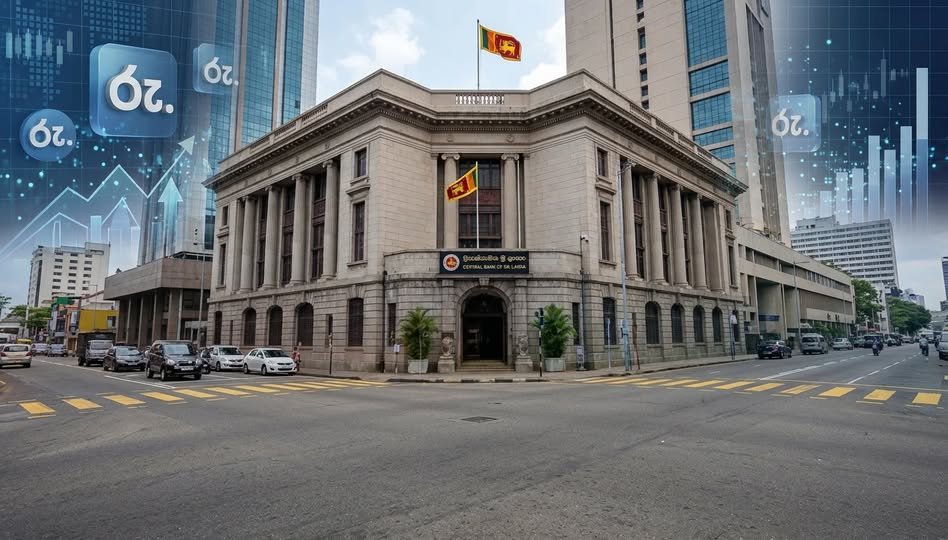
<p>The Central Bank of Sri Lanka's decision to raise the Statutory Reserve Ratio (SRR) for the first time in more than three years will permanently lock up about Rs140 billion held by commercial banks, costing lenders about Rs12 billion a year in interest income, First Capital Research says in its latest research report.</p>
<p>At its November 2026 monetary policy review, the Central Bank raised the SRR, the share of customers' rupee deposits that commercial banks must hold with the Central Bank without earning any interest, by 100 basis points, or 1 percentage point, from 2 percent to 3 percent. The new ratio is due to take effect from 9 December 2026.</p>
<p>The move came alongside a 25 basis point increase in the Overnight Policy Rate (OPR). It is the first change to the SRR since it was cut from 4 percent to 2 percent in August 2023, and the first increase in the ratio since September 2021.</p>
<p>First Capital says the decision ends the low reserve ratio policy in place since 2023 and reflects the Central Bank's determined effort to mop up surplus money in the banking system.</p>
<p>Excess liquidity, the money left with commercial banks after meeting minimum reserve requirements, has risen rapidly in recent months to a record of more than Rs475 billion. The Central Bank's purchases of US dollars from the market have been the main driver of the build-up.</p>
<p>"Although a higher reserve ratio imposes some cost on banks, it brings benefits in terms of controlling inflation and establishing economic stability," First Capital Research said in its short research note (quote translated from Sinhala).</p>
<p>Rupee deposits subject to the reserve requirement stood at about Rs13.7 trillion at the end of August 2026. Raising the ratio by 1 percentage point will therefore draw about Rs140 billion into non-interest-bearing Central Bank accounts.</p>
<p>Based on the Standing Deposit Facility Rate, which stands at 8.50 percent, 50 basis points below the OPR, First Capital estimates that the banking sector as a whole will lose about Rs12 billion a year in pre-tax interest income as a result.</p>
<p>In return, the Central Bank gains a permanent tool to absorb the surplus money created in the market through its foreign exchange purchases, to keep market interest rates in line with its policy rate, and to slow credit growth in a planned way.</p>
<p>Because Sri Lanka's 2 percent reserve ratio was very low compared with regional countries such as India, Pakistan, Bangladesh and Indonesia, a tighter reserve framework had been on the agenda since the Central Bank's 2026 Policy Agenda, released early in the year.</p>
<p>Before raising the ratio, the Central Bank also took another significant step at the end of September 2026, when it withdrew the permission commercial banks had until then to count cash held in their vaults towards statutory reserve requirements.</p>
<p>Based on a report by EconomyNext.</p>
<p>Translated from the LSN Sinhala edition.</p>