World · Bangladesh Bureau
Highway Traffic Management Shifts as Drivers Adopt Varied Routes
Motorists increasingly choose different paths on major highway corridors, reflecting changing traffic patterns and evolving commuter preferences. The trend raises questions about infrastructure planning and congestion management strategies.
LSN Bangladesh ·
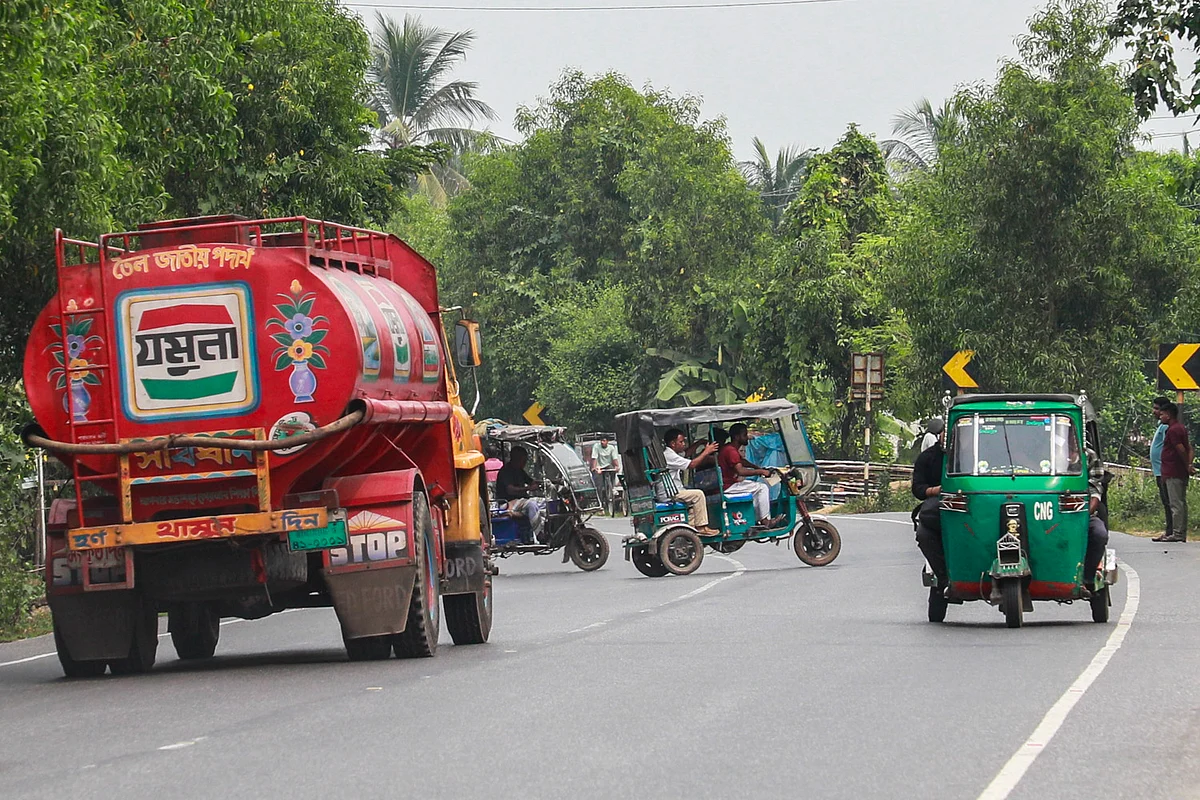
Traffic flow on major highways across the region is becoming increasingly fragmented as drivers opt for diverse routing options rather than following traditional corridors. This decentralization of traffic patterns reflects both technological advances in navigation systems and commuters' growing awareness of alternative pathways.
Transport analysts attribute the shift to several factors, including real-time traffic information available through mobile applications, improved secondary road networks, and driver preferences for avoiding congested main routes during peak hours. The phenomenon suggests that traditional single-corridor highway models may no longer be adequate for managing modern traffic volumes.
Highway authorities are now grappling with the implications of this dispersed traffic pattern. While reduced congestion on primary routes offers some relief, the wider distribution of vehicles across secondary roads raises concerns about wear-and-tear on infrastructure not designed for heavy traffic loads and potential safety issues on less-regulated pathways.
Planning departments across South Asia are increasingly considering these behavioral changes when designing new transport infrastructure. Some regions are investing in improved signage, maintenance of secondary roads, and better integration of various traffic routes to accommodate evolving driver patterns while maintaining safety and efficiency standards.
Experts suggest that understanding and adapting to these natural traffic dispersal patterns may prove more effective than attempting to concentrate vehicles on designated highways. This approach could require coordinated efforts between traffic management agencies, urban planners, and infrastructure developers.