World · Bangladesh Bureau
Hill women forge economic independence through self-employment
Women in Bangladesh's hill tracts are establishing economic autonomy by earning independent incomes, enabling them to purchase property and build assets in their own names. This growing trend reflects shifting gender dynamics in traditionally patriarchal communities.
LSN Bangladesh ·
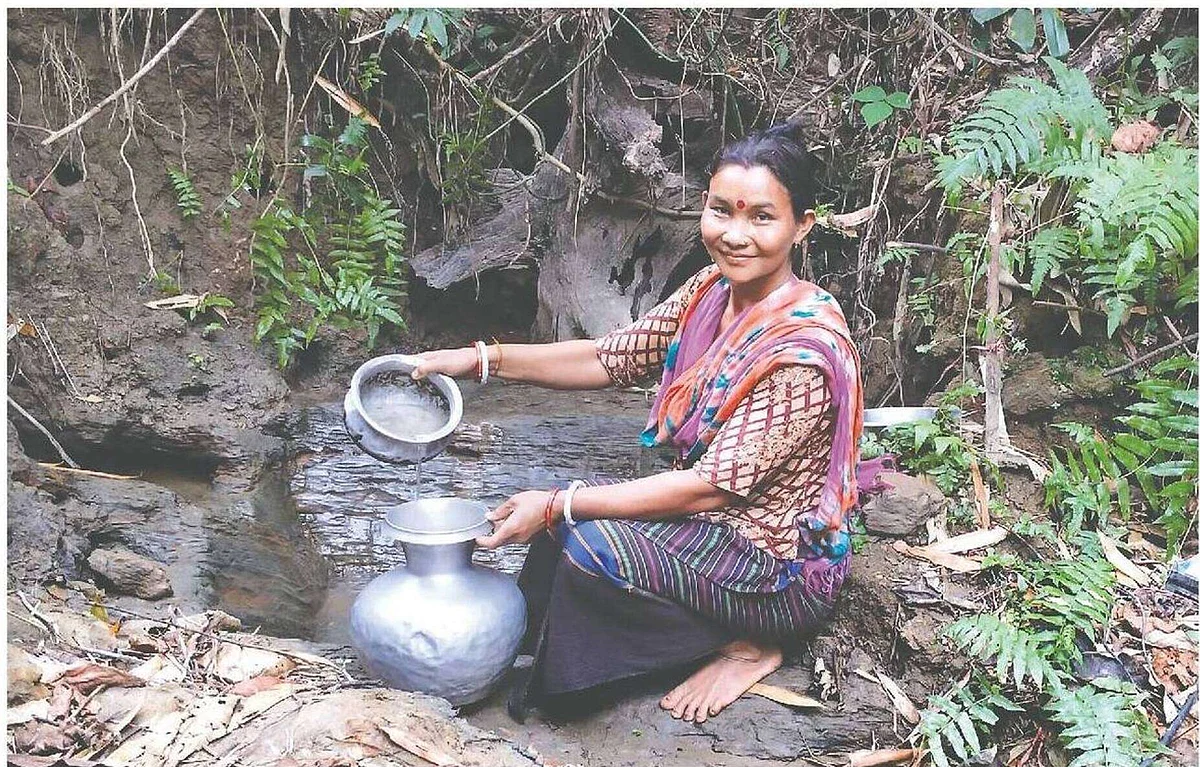
Women in the Chittagong Hill Tracts are increasingly leveraging income-generating opportunities to achieve financial independence and property ownership, marking a significant shift in economic participation within the region's communities. Through various self-employment ventures and income-generating activities, many women are now accumulating savings sufficient to purchase land and construct homes in their own names rather than relying on family-based property arrangements.
The development reflects broader changes in hill tract societies where traditional property ownership patterns have historically favored male family members. By establishing their own income sources through agriculture, small-scale trading, handicrafts, and other enterprises, women are gaining leverage to make autonomous decisions about asset accumulation and family welfare.
Local development organisations have noted that economic independence provides women with enhanced decision-making authority within households and communities. The trend has implications for long-term family stability and children's welfare, as women with property ownership stakes demonstrate increased commitment to household investment and education.
Though exact figures remain limited, anecdotal evidence from community-based organisations suggests a growing number of women in hill areas are formalising property ownership. Experts observe this development could strengthen women's rights frameworks in regions where legal protections remain inconsistently enforced, creating tangible economic security beyond traditional male-dominated inheritance systems.
The movement underscores how economic participation serves as a foundation for broader social advancement, particularly in marginalised hill communities where women historically faced compounded disadvantages based on both gender and ethnic identity.