World · Bangladesh Bureau
Hill women navigate harsh terrain, subsistence farming to survive
Women in mountainous regions face daily hardships as they traverse difficult terrain and work shifting cultivation fields to sustain their families. Their labor-intensive routines highlight the economic struggles of rural communities in hilly areas.
LSN Bangladesh ·
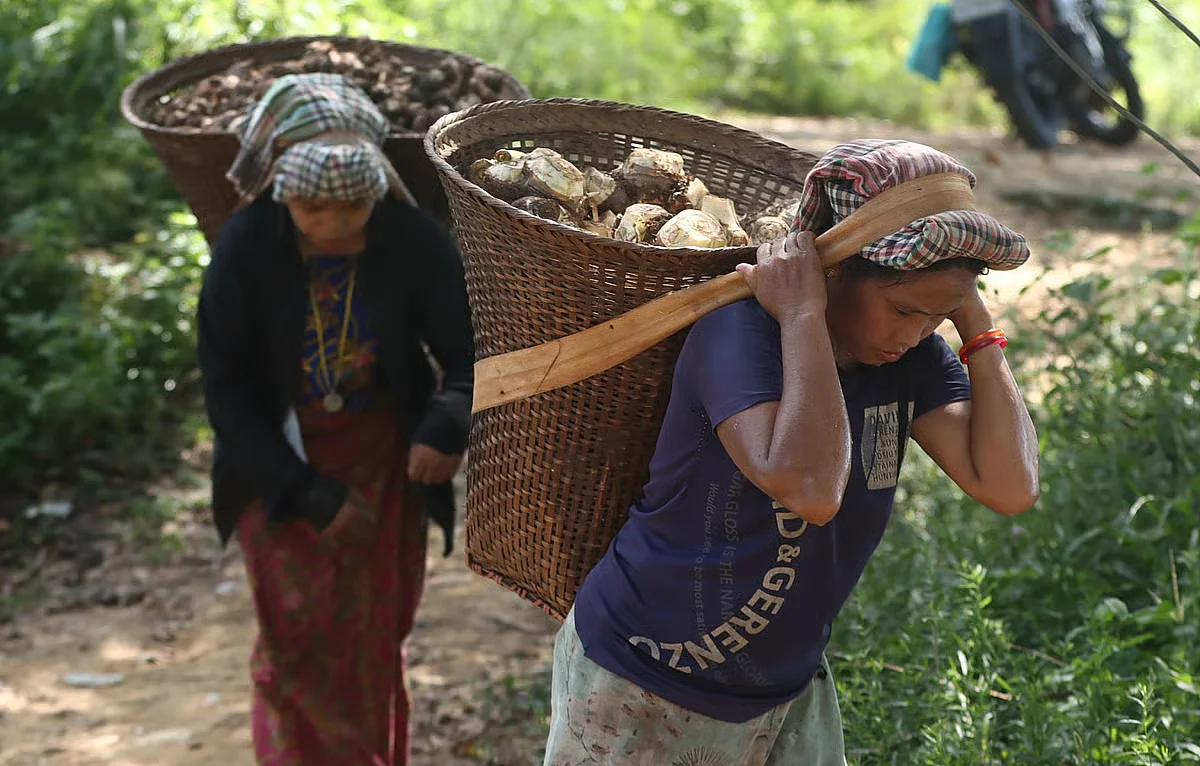
Women in hill regions across South Asia shoulder enormous burdens as they navigate rugged mountain trails and tend shifting cultivation fields in their daily quest for survival. Their work spans multiple domains—from household management to agricultural labor—often under challenging environmental and economic conditions that offer limited opportunities for advancement.
The terrain itself presents formidable obstacles. Women must traverse steep, often treacherous paths to access water sources, collect firewood, and transport goods to market. These journeys consume hours of their day and leave little time for other pursuits or rest. The physical toll accumulates over years, affecting their health and wellbeing.
In jhum fields—areas cleared through slash-and-burn agriculture—women perform substantial work during planting and harvesting seasons. This traditional farming method, while sustaining communities, demands intensive labor with minimal mechanization. Women work alongside family members, often without formal recognition of their contribution to household food security.
The combination of geographical isolation and economic dependence creates a cycle of hardship. Limited access to markets, education, and healthcare services compounds the challenges these women face. Many have few alternatives to traditional subsistence farming and remain trapped in patterns of poverty that span generations.
Addressing these realities requires targeted interventions focusing on infrastructure development, market access, and education—investments that could meaningfully improve conditions for hill communities and recognize the central role women play in their survival.