World · Bangladesh Bureau
Hilsa catch plummets despite surge in fishing fleet activity
Bangladesh's hilsa production faces declining yields even as the number of fishing vessels operating at sea reaches unprecedented levels, raising concerns about fish stocks and sustainability.
LSN Bangladesh ·
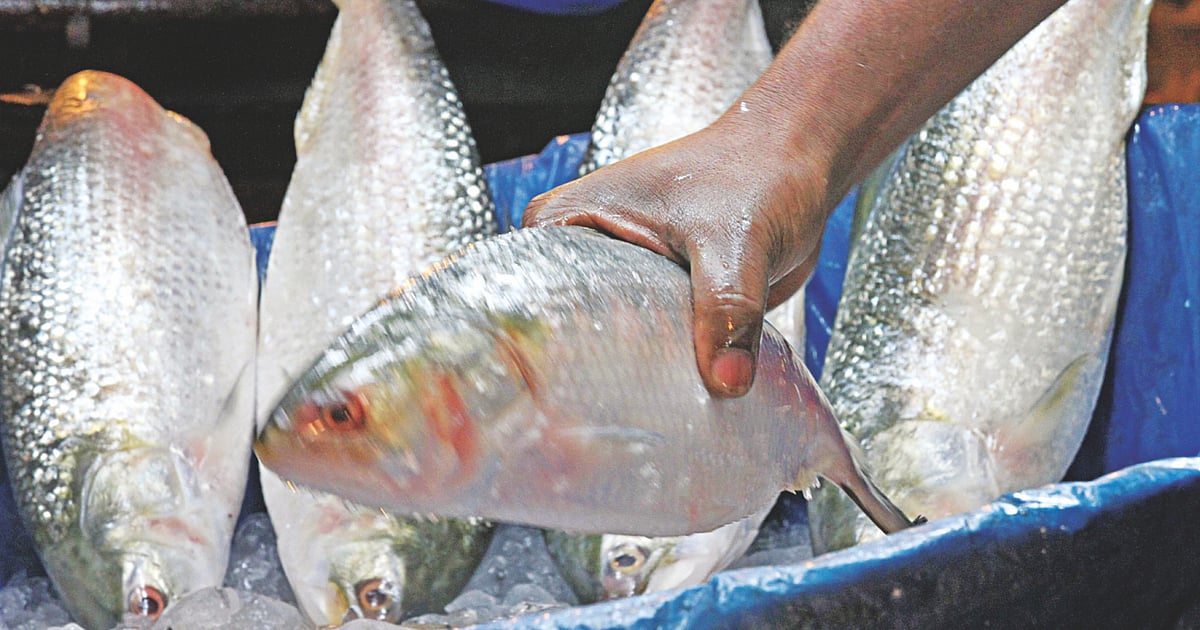
The paradox of increased fishing effort yielding reduced catches has emerged as a significant challenge for Bangladesh's fisheries sector. Despite the expansion of the fishing fleet operating in coastal and riverine waters, hilsa catches have shown a notable decline, signalling potential strain on fish populations.
The hilsa, a species integral to Bangladesh's fishing industry and food security, has long been a cornerstone of both commercial and subsistence fishing operations. The surge in fishing vessel numbers suggests intensified competition for resources, yet production metrics indicate the fishery may be reaching critical sustainability thresholds.
Experts attribute the declining catch rates to multiple factors, including potential overfishing, environmental changes, and seasonal variations in fish migration patterns. The mismatch between fleet capacity and actual yields points to the need for more effective fisheries management strategies.
Authorities are reportedly examining catch data and fleet movements to better understand the trend and develop targeted interventions. Sustainable fishing practices and potential restrictions on fishing effort are being considered as possible measures to protect hilsa stocks and ensure the long-term viability of the fishery.
The situation underscores broader challenges facing South Asia's fisheries as growing demand for protein intersects with environmental pressures and resource limitations.