World · Bangladesh Bureau
Hilsa catches plunge despite peak season, keeping prices elevated
Bangladesh's iconic hilsa fish production has declined sharply even during the traditional peak fishing season, with industry experts pointing to four key factors driving down supplies and keeping market prices persistently high.
LSN Bangladesh ·
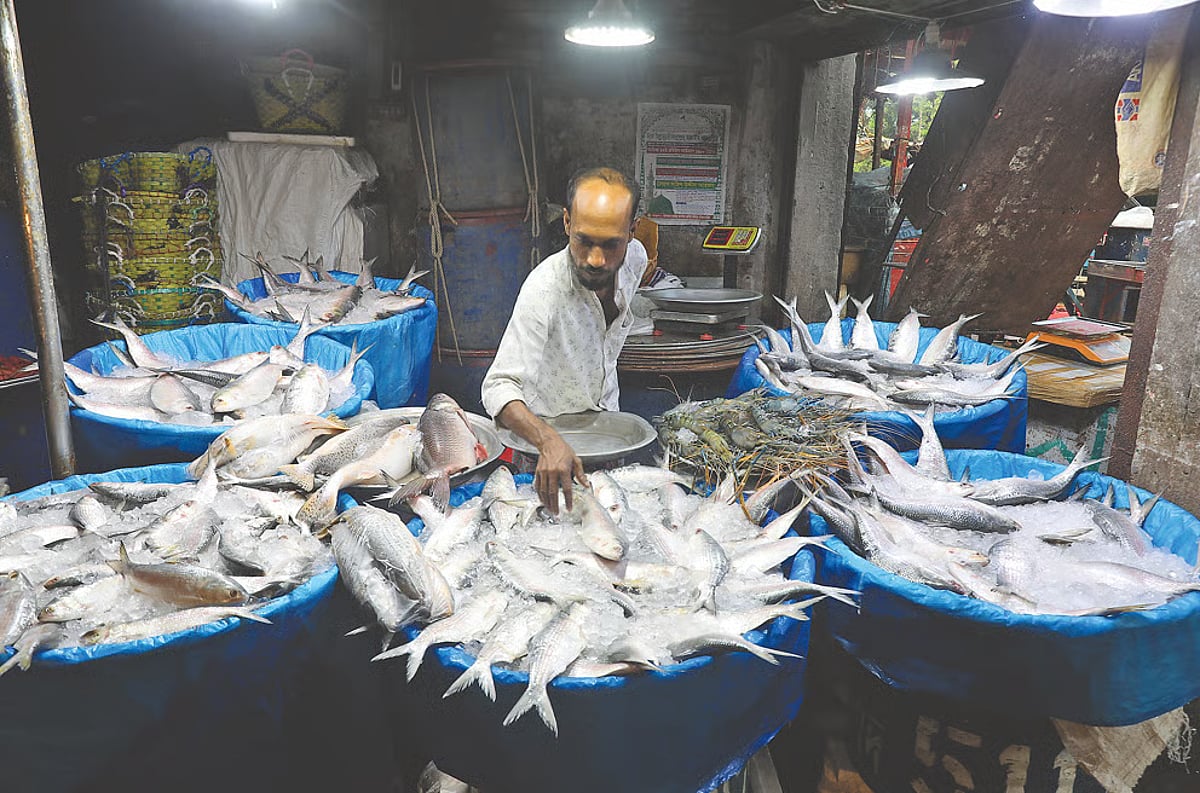
The decline in hilsa catches during what should be the most productive months has caught traders and consumers off guard, as Bangladesh typically sees a surge in the prized fish's availability between specific seasonal windows. Market prices have remained stubbornly elevated despite expectations that peak season would bring relief to households struggling with inflation in fish costs.
Fisheries experts attribute the production shortfall to a combination of environmental and regulatory pressures. Climate-related disruptions affecting river systems and coastal zones have altered breeding and migration patterns, while overfishing in previous seasons has depleted breeding stocks. Additionally, increased industrial activities and pollution in key waterways have degraded habitats critical to hilsa spawning.
Government restrictions aimed at protecting the species during crucial breeding periods have also contributed to reduced catches, though conservation measures are viewed as necessary for long-term sustainability. The cumulative effect of these factors has created a supply squeeze that monetary considerations alone cannot resolve.
Consumers and fish merchants across Bangladesh have expressed concern over the persistent price premium, with retailers reporting slower sales despite cultural demand for hilsa, particularly during festive seasons. Industry stakeholders are calling for coordinated efforts to address both immediate supply challenges and underlying ecological factors threatening the sustainability of this economically vital fishery.