Business · India Bureau
Hilsa's river origins shape taste, identity in Bengal kitchens
The prized hilsa fish that graces Bengal's tables carries distinct flavors tied to its river of origin, with waters from the Ganga, Padma and beyond producing fish with notably different characteristics. Market suppliers and traditional connoisseurs have long recognized these variations, raising questions about ecology, migration patterns and culinary heritage.
LSN India ·
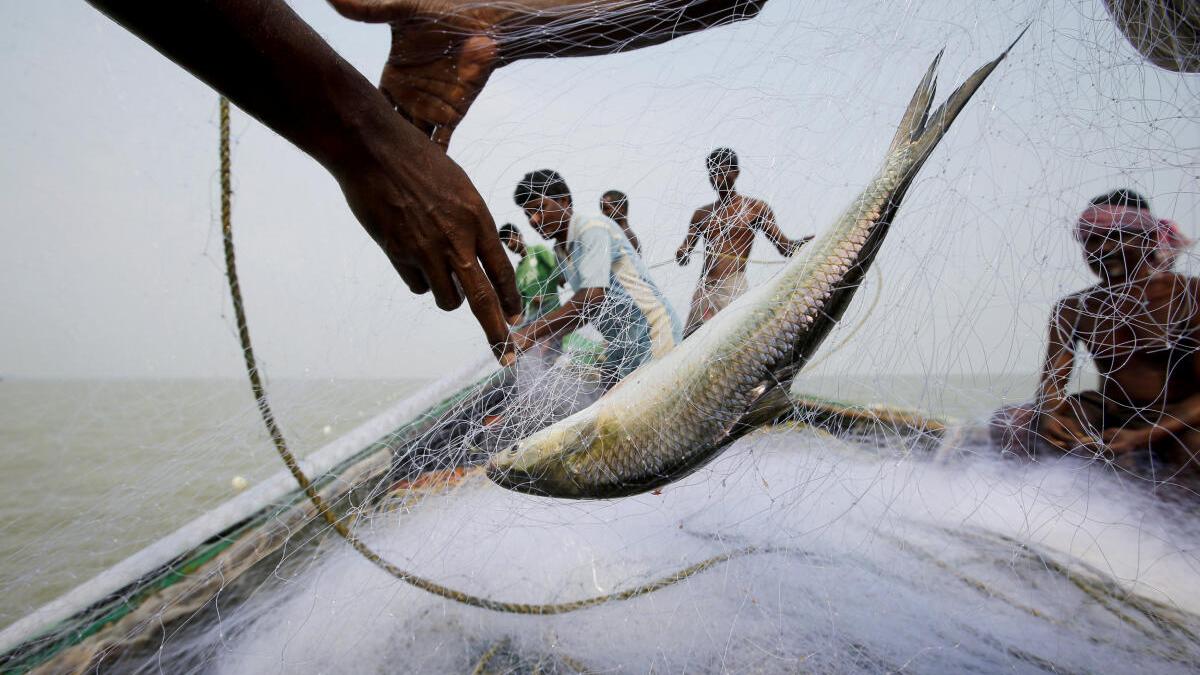
Bengal's obsession with hilsa extends beyond mere preference—it encompasses a sophisticated understanding of how the fish's journey through different river systems imparts distinct qualities to its flesh. The Ganga hilsa, long considered the gold standard by Kolkata's discerning consumers, differs markedly from hilsa sourced from the Padma and other waterways, a distinction rooted in the unique ecological conditions of each river system.
The presence of Gujarat hilsa in Kolkata's markets has become increasingly common, reflecting broader changes in fish sourcing and supply chains across India. Yet traditional connoisseurs argue these imports lack the complexity and character of fish from the region's historical fishing grounds, attributing this difference to variations in water composition, salinity levels, and the migratory routes these fish traverse.
Historical accounts suggest that seasoned Calcutta epicures could identify a hilsa's origin simply by taste, discerning which stretch of river had nurtured the fish. This refined palate reflected generations of accumulated knowledge about how environmental factors—water quality, seasonal flows, and available food sources—influence the fish's flavor profile and texture.
The story of hilsa from ocean to river to plate thus intertwines ecological science with cultural memory and inherited taste preferences. As commercial pressures reshape fish sourcing patterns and consumer habits evolve, questions persist about whether regional distinctions will be preserved or gradually eroded by standardized market practices.