World · India Bureau
Himalayan avalanche likely triggered Nepal's devastating Bhotekoshi flood
Scientists are investigating how a catastrophic rock-and-ice avalanche at high altitude may have caused one of Nepal's worst flooding disasters. Experts warn that accelerating glacier melt from rising temperatures could increase such risks in the future.
LSN India ·
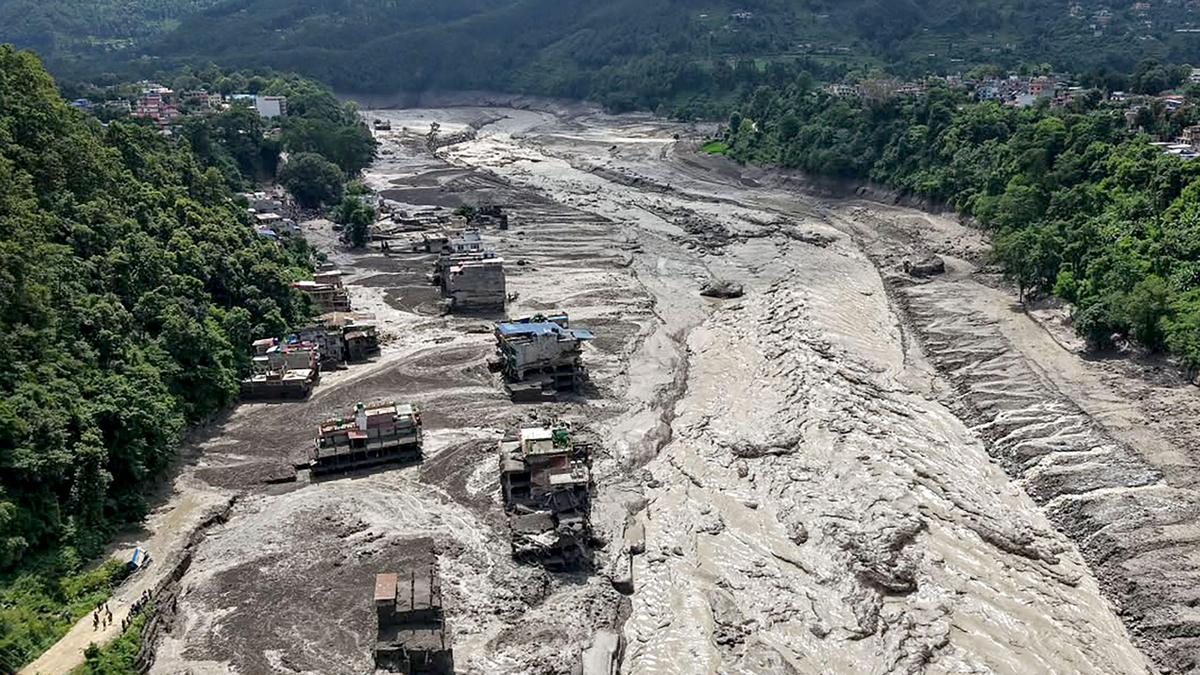
A major flood that struck Nepal's Bhotekoshi region appears to have been triggered by a massive avalanche of rock and ice cascading down from high-altitude peaks, according to ongoing scientific investigations. The disaster ranks among the country's most severe flooding events in recent memory, underscoring the region's vulnerability to sudden natural hazards in the mountainous terrain.
Researchers are examining the mechanism by which the high-altitude avalanche may have dislodged debris or water that subsequently triggered the flood, examining the chain of geological and hydrological events that led to the catastrophe. The investigation highlights the complex interactions between the Himalayas' unstable terrain and the region's extreme weather patterns.
While scientists have stopped short of directly linking the event to climate change, they point to an unmistakable trend: rising temperatures across the Himalayas are warming glaciers and accelerating their melt. This increased glacier melt is raising water levels in high-altitude regions and potentially destabilizing ice-and-rock formations, creating conditions for similar events.
The findings have renewed concerns about the long-term risks facing mountain communities in South Asia. As global temperatures continue to rise, experts warn that the Himalayas may experience more frequent avalanches and glacial outburst floods, threatening both infrastructure and lives in downstream settlements across Nepal and neighbouring regions.