World · World News Bureau
Himalayan floods highlight risks of China's mountain development projects
Recent flooding across Nepal and Tibet has exposed vulnerabilities in the region's infrastructure and raised concerns about the environmental impact of large-scale Chinese construction initiatives in the Himalayas. The disasters underscore mounting challenges posed by rapid development in one of the world's most geologically sensitive areas.
LSN World News ·
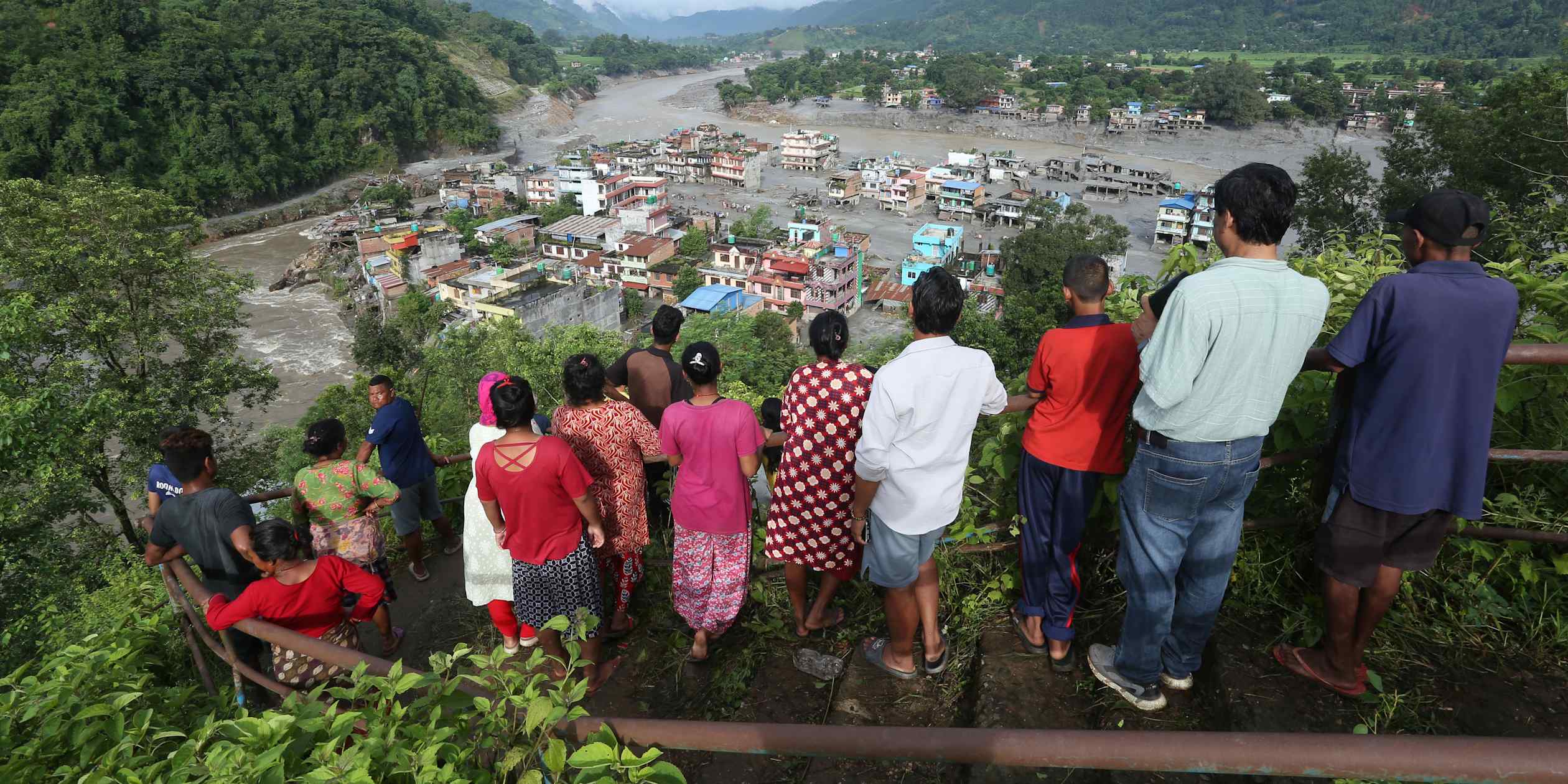
Devastating floods across Nepal and the Tibet Autonomous Region have claimed dozens of lives and displaced thousands of residents, intensifying scrutiny of infrastructure projects undertaken along the Himalayan range. Heavy monsoon rains triggered landslides and water surges that damaged homes, roads, and bridges, with some of the worst-affected areas located near major development sites.
China has invested heavily in Himalayan infrastructure in recent years, including hydroelectric dams, roads, and rail networks as part of broader regional connectivity ambitions. While officials tout these projects as economic drivers, environmental scientists warn that large-scale construction in the geologically unstable region may be amplifying flood risks by altering natural drainage patterns and destabilizing slopes.
Nepalese authorities have reported that some communities in border areas suffered compounded damage when water from upstream sources crossed international boundaries. Regional officials have called for greater coordination between Nepal and China on environmental impact assessments and early warning systems for extreme weather events.
The flooding has reignited debate over whether rapid development in the Himalayas adequately accounts for the region's seismic activity and monsoon vulnerability. Climate researchers note that warming temperatures are altering precipitation patterns across South Asia, making infrastructure resilience increasingly critical for vulnerable mountain communities.