World · India Bureau
Himalayan glaciers melting 65% faster as black carbon accelerates retreat
A new global study warns that Himalayan glaciers are melting at an accelerated rate, with roughly 80% of their volume at risk of disappearing by 2100. Research indicates that air pollution from South Asia plays a significant role in the dramatic ice loss.
LSN India ·
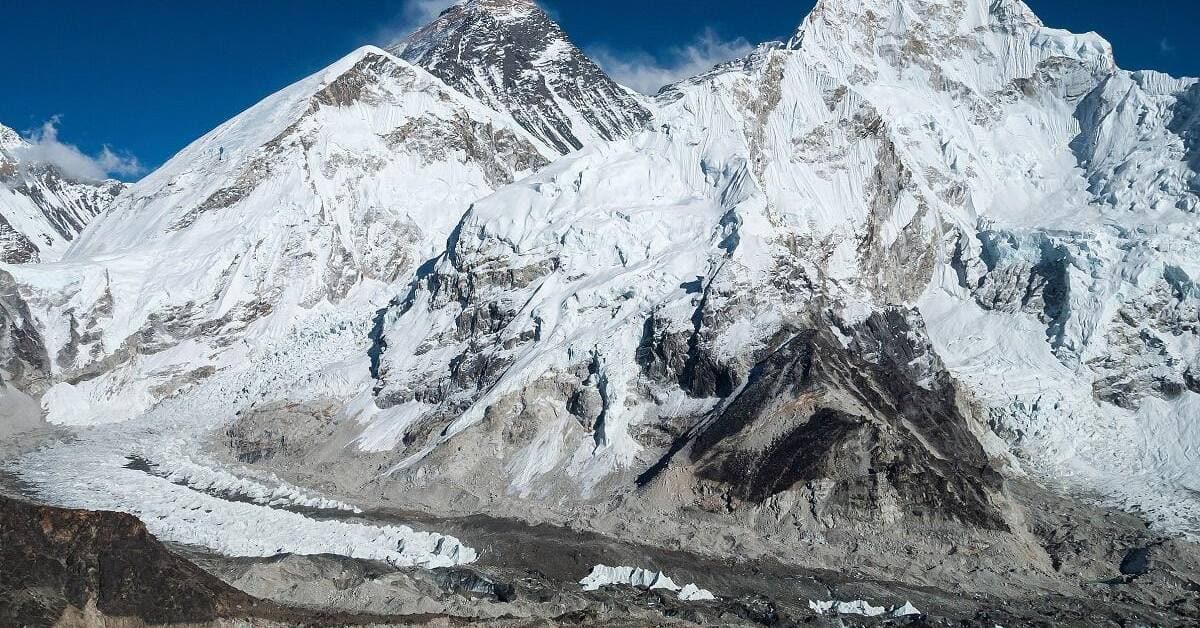
Himalayan glaciers are retreating at a pace 65% faster than previously documented, according to a comprehensive analysis by global consultancy Systemiq. The findings paint an alarming picture for water security across South and Southeast Asia, where billions depend on glacier-fed rivers for drinking water, irrigation and hydropower.
The research attributes approximately one-third of the observed glacier mass loss to black carbon—soot particles released from fossil fuel combustion, biomass burning and industrial activities across South Asia. When deposited on glacier surfaces, black carbon reduces reflectivity and accelerates melting by absorbing solar radiation.
Projections in the study suggest that up to 80% of the region's glacier volume could vanish by the end of this century under current warming trajectories. This catastrophic loss would fundamentally alter water availability downstream, affecting agricultural productivity, power generation and drinking water supplies for hundreds of millions of people across India, Nepal, Bangladesh and other nations dependent on Himalayan water resources.
The findings underscore the urgent need for coordinated regional action to reduce air pollution and greenhouse gas emissions. Experts emphasise that controlling black carbon emissions through cleaner energy adoption and stricter industrial standards could help slow glacier retreat and provide crucial additional time for adaptation measures.