World · Singapore Bureau
Himalayan glaciers melting faster, threatening water security across Asia
New research shows glacier mass loss in the Himalayas has accelerated dramatically in recent decades, putting water supplies and livelihoods at risk for millions of people across South and Southeast Asia.
LSN Singapore ·
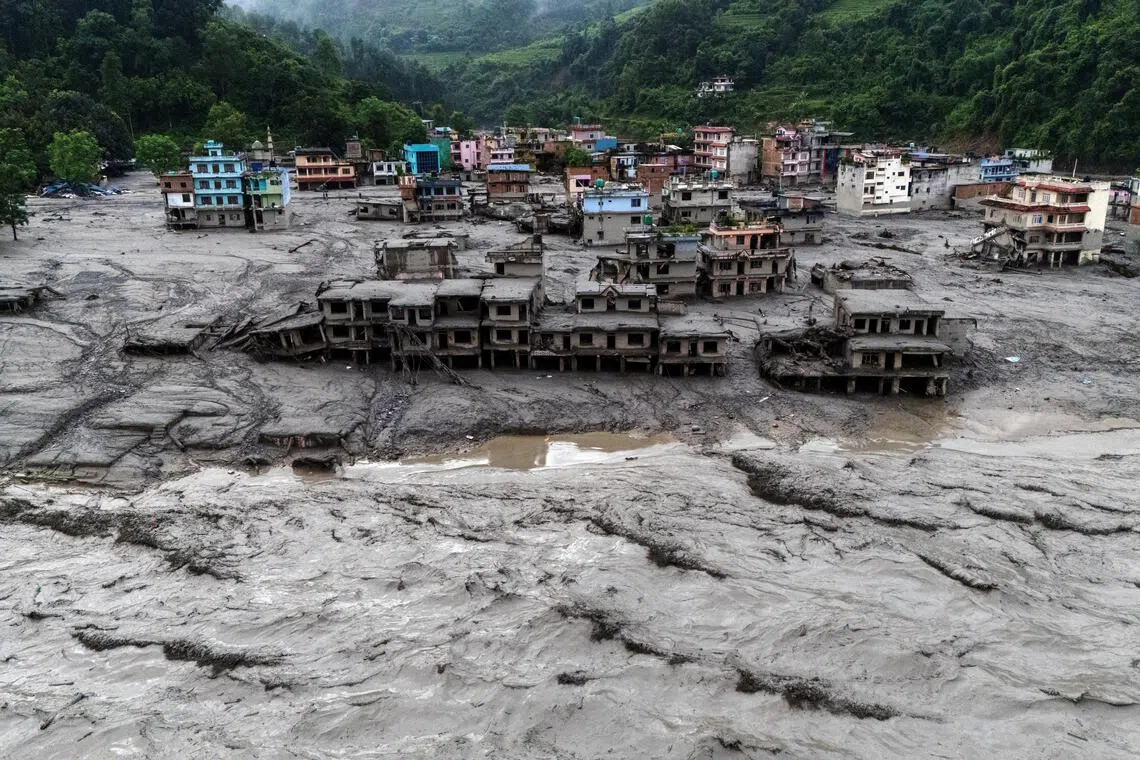
The Himalayan mountain range, which supplies freshwater to nearly two billion people across Asia, is approaching a critical environmental threshold as glaciers continue to shrink at an alarming rate. A comprehensive study examining long-term glacier dynamics has found that the pace of ice loss has intensified considerably over the past few decades, signalling a potential shift toward irreversible change in the region's hydrology.
The accelerating glacier retreat poses immediate threats to downstream communities that depend on Himalayan snowmelt for drinking water, irrigation, and hydroelectric power generation. Countries including India, Nepal, Bangladesh, and others relying on major river systems such as the Ganges, Brahmaputra, and Indus face mounting risks to agricultural productivity and water availability during dry seasons.
Beyond immediate water security concerns, millions of people whose livelihoods depend on Himalayan resources—from farming to fishing to mountain tourism—face mounting economic pressure as environmental conditions shift. The accelerating melt could trigger seasonal water shortages, while unpredictable glacier behaviour may increase risks of glacial lake outburst floods in mountainous communities.
The findings underscore the urgent need for regional water management strategies and climate adaptation measures across South Asia. Policymakers are increasingly focused on developing resilience mechanisms and exploring alternative water sources to mitigate the cascading effects of rapid glacier loss in coming decades.