World · World News Bureau
Himalayan hydropower expansion strains insurers amid climate risks
Major hydroelectric projects across the Hindu Kush-Himalayan region are encountering significant challenges securing adequate insurance coverage as climate-related hazards increase project costs and liabilities. Industry experts warn that mounting environmental risks could slow the region's renewable energy ambitions.
LSN World News ·
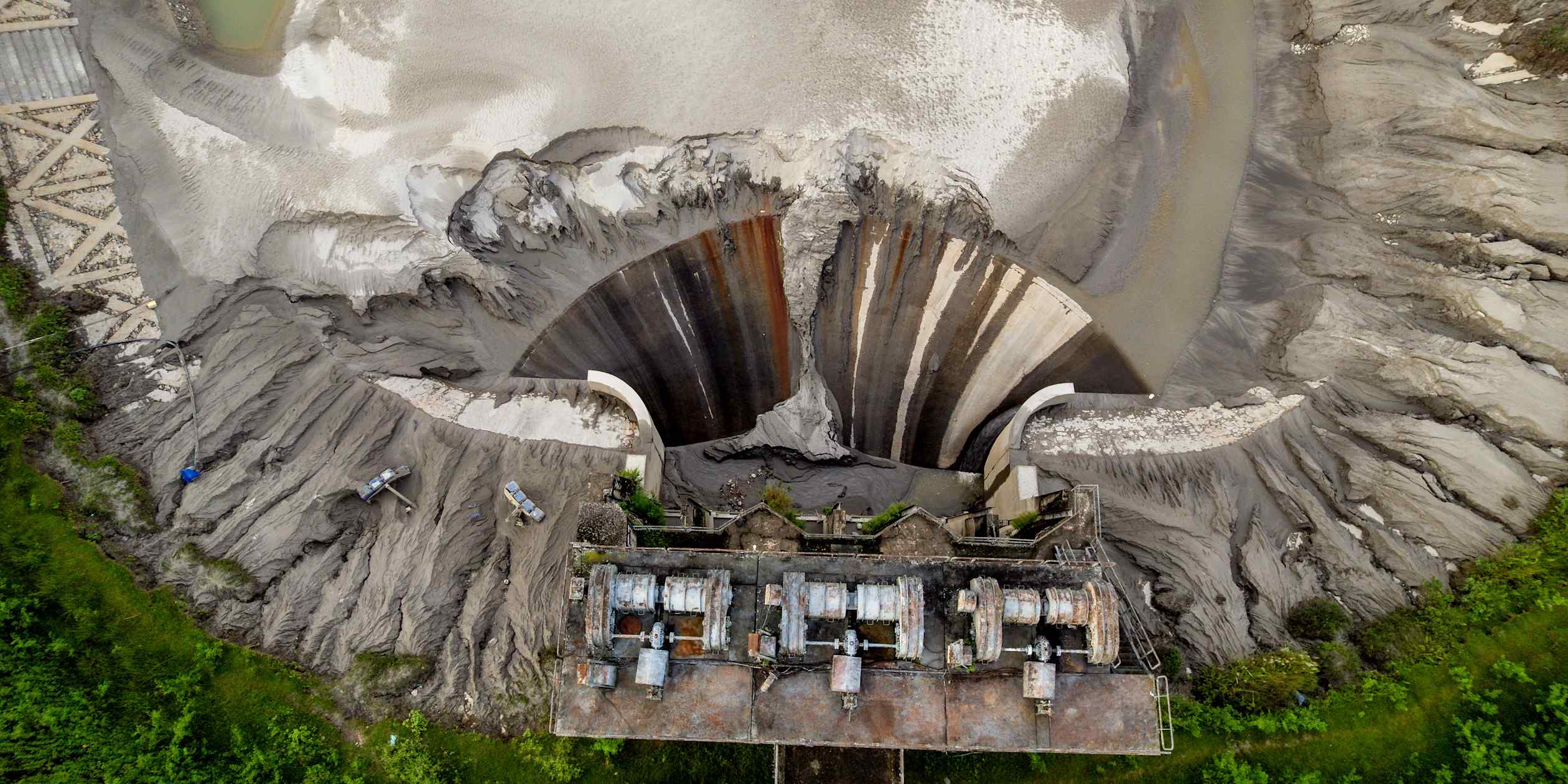
Developers pursuing hydropower expansion throughout South and Southeast Asia's mountainous regions are confronting an increasingly difficult insurance landscape, with providers reassessing risk exposure amid intensifying climate volatility and geological hazards.
The Hindu Kush-Himalayan zone, spanning multiple countries from Afghanistan to Myanmar, represents one of Asia's most promising frontiers for hydroelectric development. However, insurers are demanding higher premiums and stricter risk mitigation requirements as glacial melt, extreme precipitation events, and seismic activity pose growing threats to dam infrastructure and operational continuity.
Project developers report that insurance costs have risen substantially, complicating financial feasibility for ventures already challenged by construction complexity and environmental concerns. Several proposed schemes have experienced delays as sponsors struggle to secure comprehensive coverage at commercially viable rates, according to regional energy analysts.
The insurance pressures reflect broader shifts in global risk assessment following recent disasters in dam-dependent regions. Underwriters are now conducting more rigorous environmental impact evaluations and demanding enhanced monitoring systems before committing capital to Himalayan schemes.
Industry observers suggest the situation underscores tensions between renewable energy expansion objectives and climate adaptation realities in vulnerable mountain regions. Resolution may require coordinated approaches among governments, developers, and insurers to establish risk-sharing mechanisms appropriate for large-scale hydropower development in climatically dynamic areas.