Politics · India Bureau
Himalayan tahr introduced to New Zealand a century ago now pose ecological threat
An 1904 shipment of Himalayan tahr by British aristocrats seeking sport hunting has spawned an invasive population that now threatens New Zealand's alpine ecosystems. Despite decades of control efforts, the animals continue to challenge conservation authorities.
LSN India ·
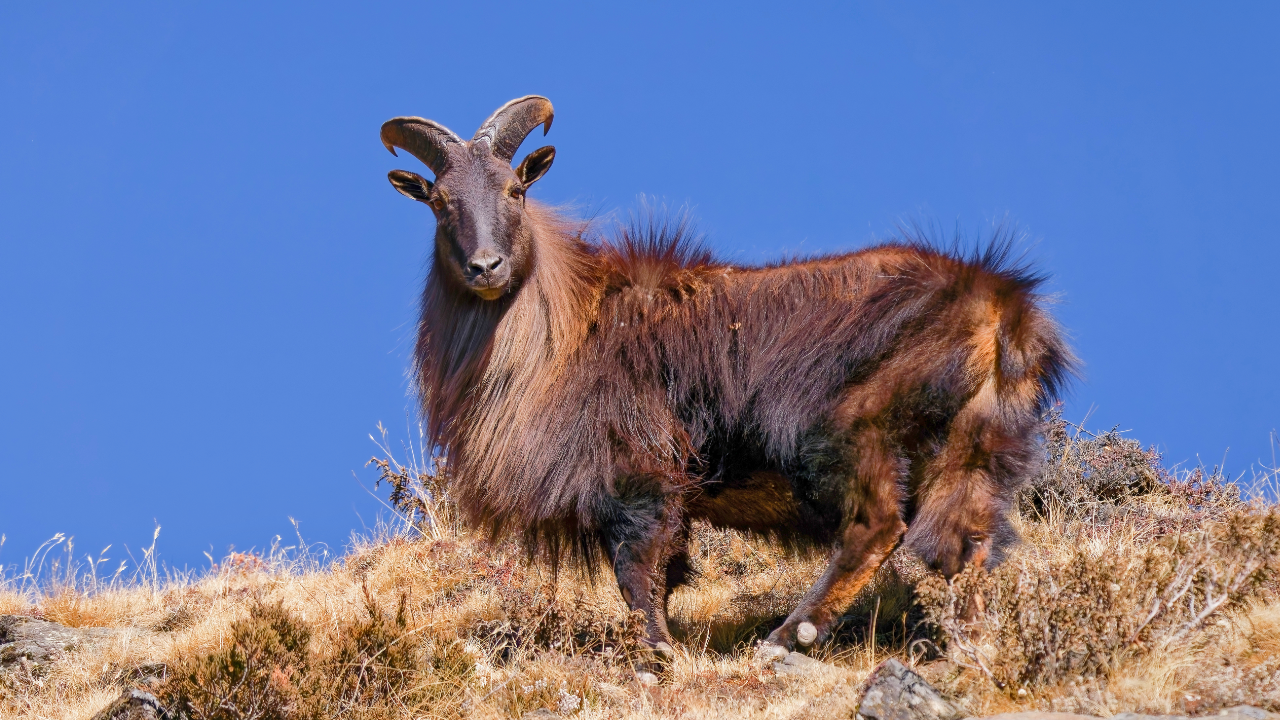
The story of the Himalayan tahr in New Zealand began in 1904 when a British duke arranged for six of the wild goats native to the Indian subcontinent to be transported to the South Island. Five survived the arduous voyage, establishing a breeding population that would fundamentally alter the region's ecological landscape.
What started as a pursuit of sport hunting for British aristocrats quickly spiraled into an ecological crisis. The tahr, well-adapted to high-altitude mountainous terrain, thrived in New Zealand's alpine regions and began multiplying at an unsustainable rate. Within decades, they had become a firmly entrenched invasive species, spreading across vast stretches of previously pristine native habitat.
The ecological damage has proven severe. The animals overgraze native alpine vegetation, destabilise fragile mountain ecosystems, and degrade habitats critical for indigenous species. The tahr's presence fundamentally altered ecological relationships that had evolved over millennia.
Managing the population has proven far more difficult than anticipated. New Zealand authorities, including the government, have deployed various control strategies ranging from ground-based hunting to aerial shooting programmes. However, these measures have achieved only limited success in containing the tahr population across the vast South Island terrain.
Today, more than a century after their introduction, the Himalayan tahr remains a significant challenge for New Zealand's wildlife management authorities, representing an ongoing tension between historical sporting traditions and modern conservation imperatives.