World · India Bureau
Himalayan valleys offer contrasting lessons on conservation and development
A journey through two of Uttarakhand's most significant alpine regions reveals starkly different environmental trajectories. While the Nanda Devi sanctuary demonstrates successful preservation practices, the Alaknanda Valley serves as a cautionary tale of unchecked development.
LSN India ·
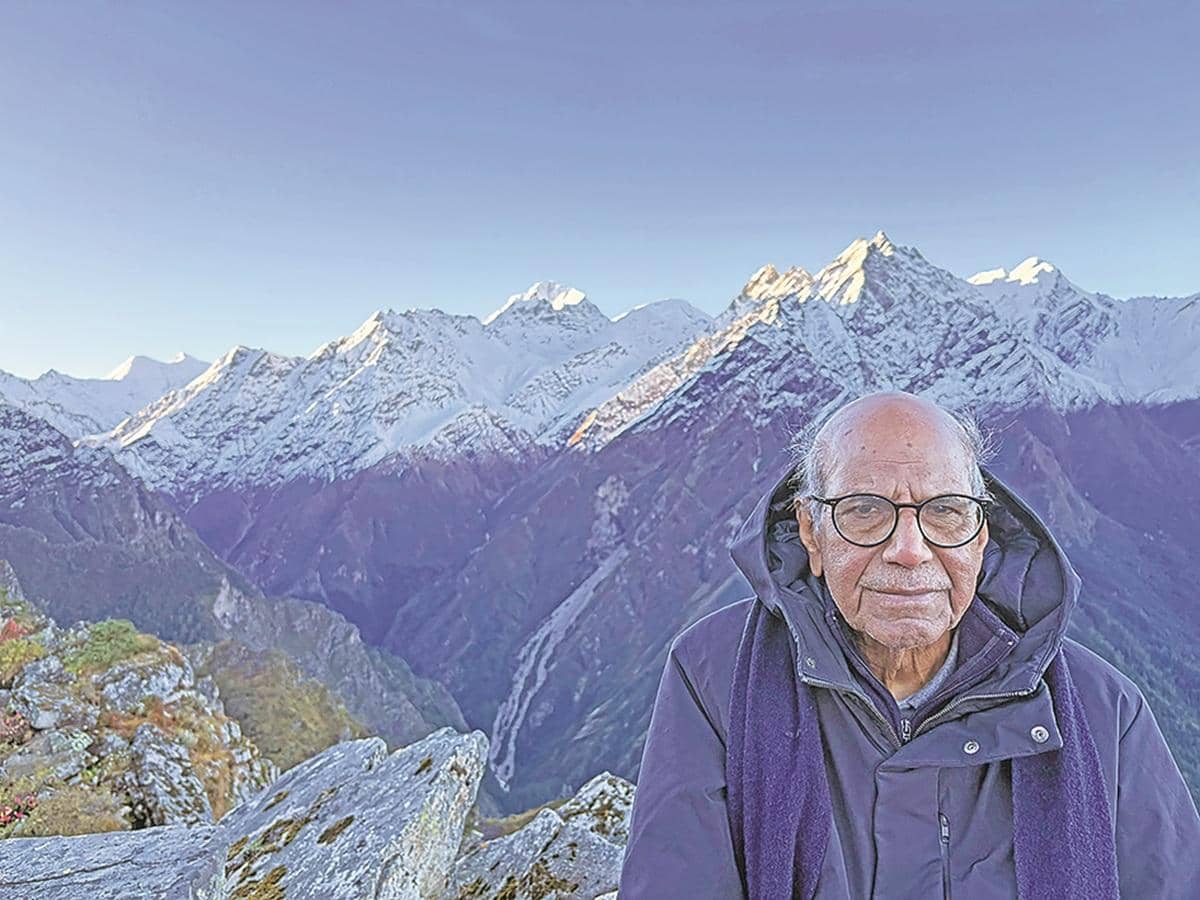
The contrasting conditions observed across these two Himalayan regions underscore the critical choices facing India's mountain ecosystems. The Nanda Devi sanctuary, designated as a UNESCO World Heritage Site, maintains its ecological integrity through strict protection measures and limited human intervention. Its pristine alpine meadows, diverse flora and fauna, and intact watershed systems exemplify what conservation can achieve when implemented rigorously.
In stark contrast, the Alaknanda Valley, one of the region's most commercially developed areas, bears visible signs of environmental stress from tourism infrastructure, hydroelectric projects, and settlement expansion. The valley's degraded forests, eroded hillsides, and altered water systems reflect the cumulative impact of decades of unregulated development.
The divergence between these two areas highlights a fundamental challenge for the Indian Himalayas: balancing economic development with ecological preservation. The Nanda Devi region's restricted access policies, while limiting tourism revenue, have proven effective in maintaining biodiversity and geological stability. The Alaknanda Valley's experiences suggest that short-term economic gains from unrestricted development frequently result in long-term environmental and economic costs.
Conservation experts point to these contrasting outcomes as instructive for policymakers across the region. As climate change intensifies pressures on mountain ecosystems, the protection approaches demonstrated in the Nanda Devi sanctuary may offer viable models for other threatened Alpine areas throughout the Indian Himalayas and the broader Hindu Kush range.