World · India Bureau
Hindu mourning practices: Three common mistakes that may hinder spiritual progress
While grieving for 13 days after death is considered appropriate in Hindu tradition, certain prolonged mourning practices may obstruct the deceased's spiritual journey, according to religious interpretations.
LSN India ·
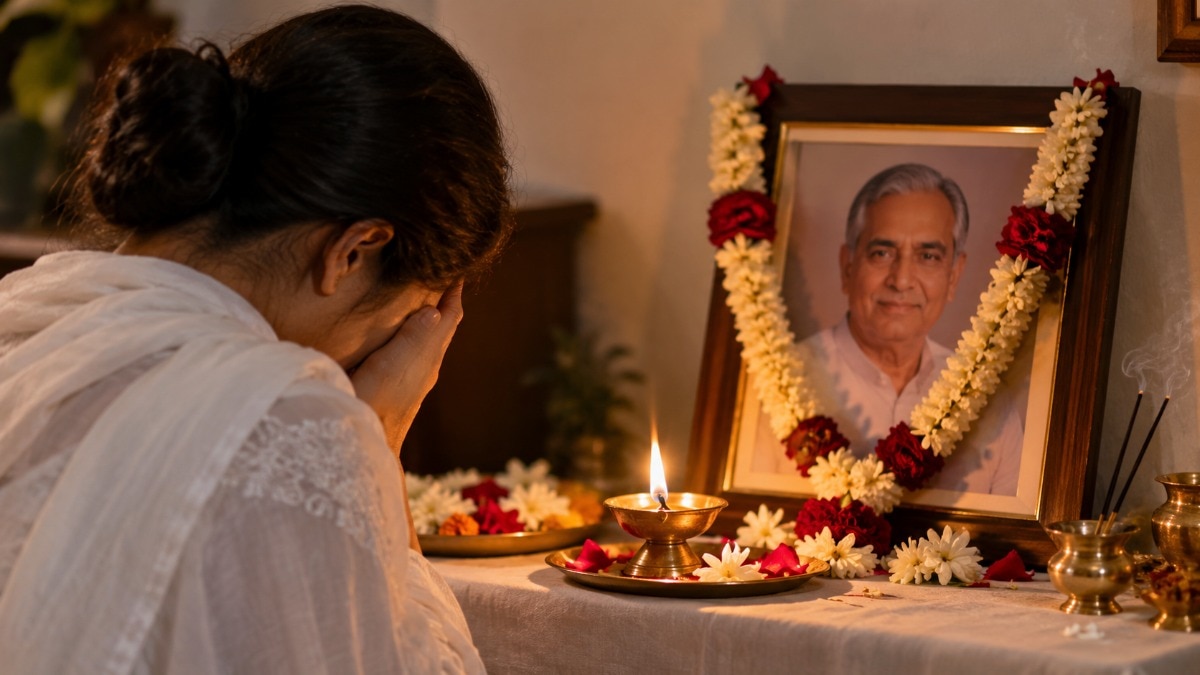
Hindu tradition prescribes a 13-day mourning period following death, during which family members and relatives are expected to observe specific rituals and express their grief for the departed soul. Religious scholars and practitioners widely acknowledge this period as a proper and necessary phase for the bereaved family.
However, extending mourning practices beyond this prescribed period may inadvertently create obstacles in the deceased's spiritual progression, according to traditional Hindu beliefs. Continuously reminiscing over years, repeatedly lighting lamps before photographs of the departed, and maintaining prolonged emotional attachment are considered counterproductive to the soul's onward journey in the afterlife.
Religious practitioners emphasize the importance of completing the prescribed rituals within the designated 13-day window and subsequently allowing the departed soul to move forward unobstructed. The focus shifts from active mourning to remembrance and offering prayers for the soul's peace and liberation.
These interpretations reflect centuries-old Hindu philosophical understanding of death and the soul's progression through different planes of existence. Families are encouraged to balance their emotional processing of grief with adherence to traditional practices believed to facilitate the deceased's spiritual liberation.