World · India Bureau
Hindu Pilgrims Can Now Perform Ancestral Rites From Home During Pitru Paksh
As the 16-day Pitru Paksh period begins on September 26, major pilgrimage sites are introducing remote offerings for devotees unable to travel. Temple priests in Prayagraj and Gaya have arranged virtual rituals to accommodate worshippers across India.
LSN India ·
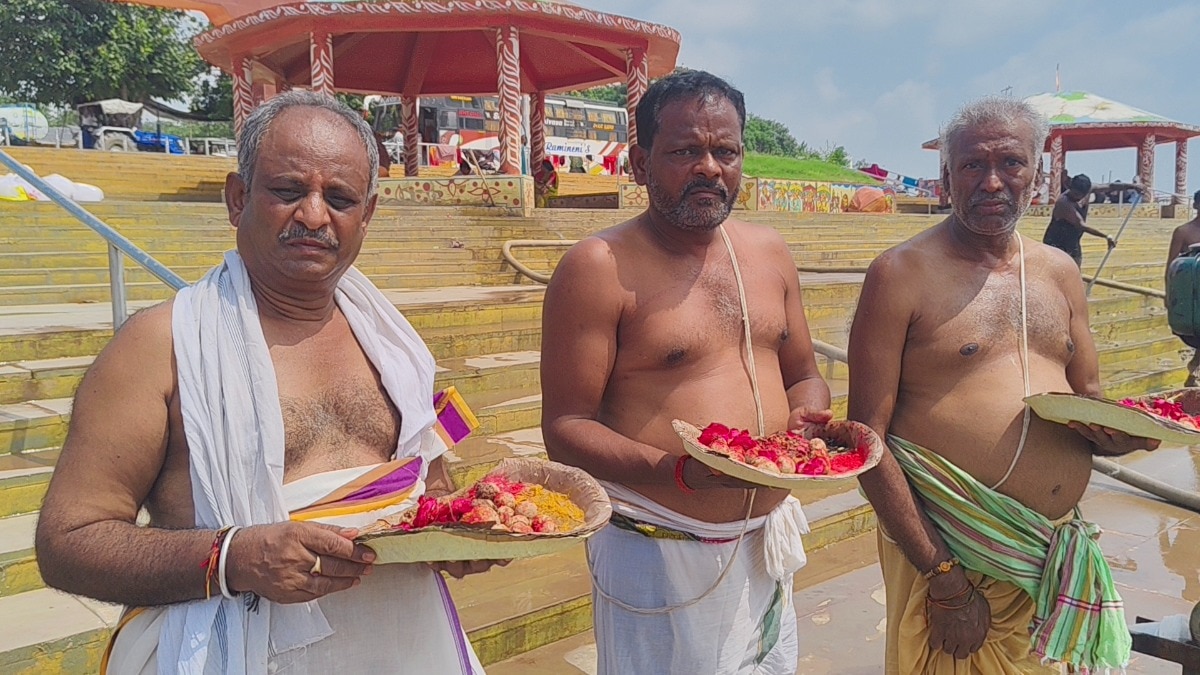
Preparations are intensifying at two of India's holiest pilgrimage destinations as the annual Pitru Paksh period approaches, with organizers introducing innovative solutions to enable remote participation in ancestral rites. Beginning September 26, the fortnight-long observance traditionally draws millions of Hindu devotees to perform pind daan (offering of rice balls) and tarpan (water libations) for deceased ancestors.
Temple authorities in Prayagraj, where the sacred Sangam confluence attracts pilgrims nationwide, have established mechanisms allowing those unable to travel to complete the rituals from their homes. Accredited temple priests will conduct the ceremonies on behalf of remote devotees, addressing logistical and financial constraints that prevent many from undertaking the journey.
Meanwhile, Gaya in Bihar is preparing for its annual 15-day Pitru Paksh fair with heightened security measures. Authorities plan to deploy 118 police camps, implement CCTV surveillance across the fair grounds, and position police forces in three rotating shifts to manage the expected influx of devotees and ensure public safety.
The shift towards enabling remote participation reflects changing circumstances for Hindu pilgrims, many of whom face travel difficulties due to distance, health concerns, or professional commitments. Temple administration officials emphasized that such arrangements maintain the spiritual authenticity of the rituals while expanding accessibility during this significant period in the Hindu calendar.