World · India Bureau
Hindu scriptures permit women to perform last rites in certain circumstances
Contrary to popular belief, Shradh rituals and pinda daan (ritual rice ball offering) are not exclusively the domain of men according to Hindu religious texts. The Garuda Puran outlines specific circumstances under which women may perform these funeral rites, though practices vary across communities and family traditions.
LSN India ·
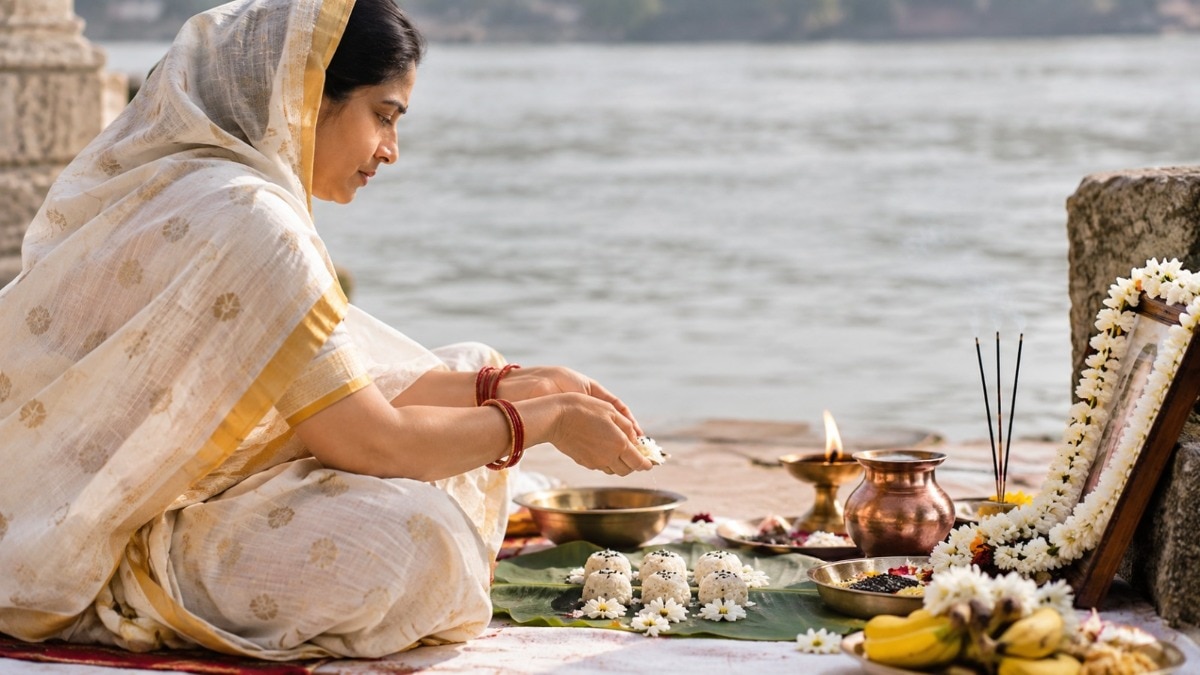
Hindu religious scriptures, particularly the Garuda Puran, stipulate that women are entitled to perform Shradh ceremonies and pinda daan under certain circumstances, challenging the widespread assumption that these rites are limited to male family members. The eligibility of women to conduct such rituals depends on specific situational factors outlined in dharma texts rather than an absolute gender-based restriction.
The Garuda Puran, one of the principal Puranic texts in Hinduism, provides detailed guidelines on funeral rites and ancestral offerings. According to these scriptural provisions, women—particularly widows or daughters in families without male heirs—may assume the responsibility of performing pinda daan and related Shradh ceremonies under defined conditions.
However, the actual practice of these rituals varies significantly across different Hindu communities, regional traditions, and individual family customs. While some communities strictly adhere to traditional male-only practices, others have adopted more flexible interpretations of scriptural guidelines that permit women's participation in funeral rites. Factors such as marital status, family lineage, and local cultural norms influence whether women are permitted to perform these ceremonies.
Religious scholars emphasize that dharma texts provide the theological foundation for women's eligibility to conduct Shradh rituals, yet implementation remains subject to community interpretation and family preference. Those seeking to include women in funeral ceremonies are advised to consult with family priests or religious authorities familiar with their specific community traditions to understand the appropriate procedures.