World · India Bureau
Hindu Texts Describe Moral Decline as Kali Yuga Reaches Its End
Ancient Hindu scriptures outline a cyclical view of time divided into four ages, with the current era known as Kali Yuga—a period marked by increasing moral degradation. According to the Shiva Purana, this final age will witness profound changes in human nature, social structures, and religious practice as humanity abandons virtue and truth.
LSN India ·
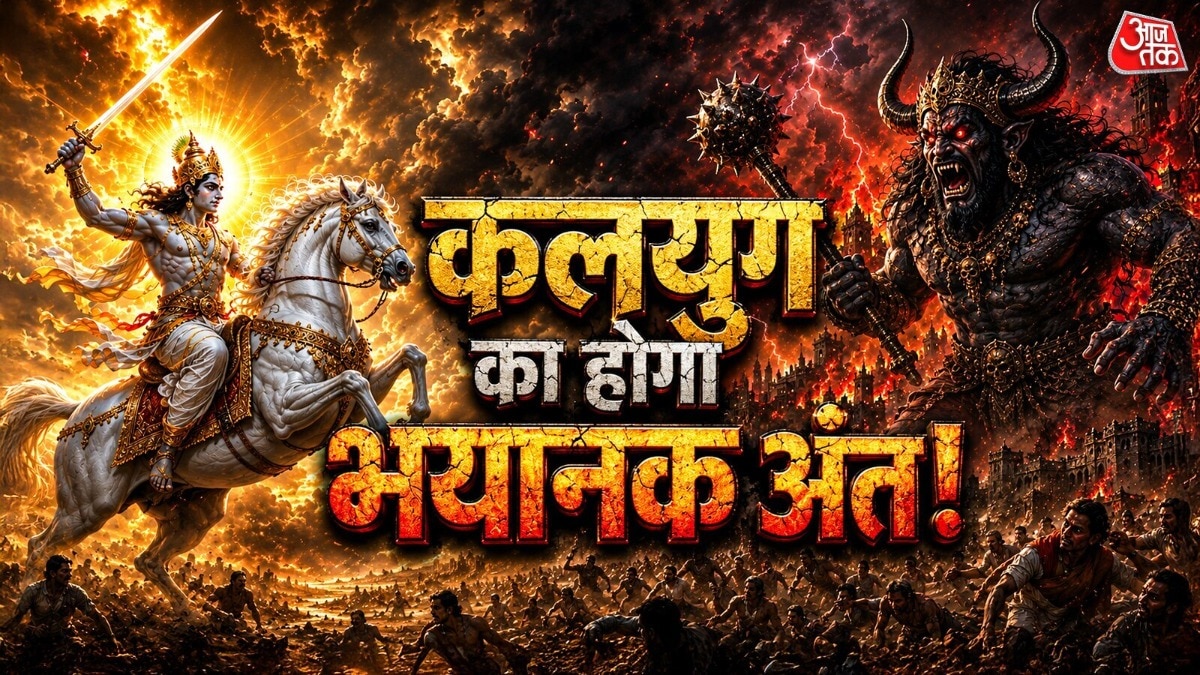
Hindu philosophical and religious texts have long conceptualized time as cyclical rather than linear, dividing it into four distinct ages or yugas. The current epoch, referred to as Kali Yuga, is understood by many Hindu scholars and practitioners to represent the final and most spiritually challenging age before renewal.
The Shiva Purana provides detailed descriptions of the characteristics and conditions that define Kali Yuga, particularly as it approaches its conclusion. According to these classical texts, the final age is characterized by a systematic decline in human virtue and social morality. The scriptures outline how individuals will progressively distance themselves from truth and righteous action, instead becoming increasingly preoccupied with deception, self-interest, and criticism of others.
Beyond changes in individual character, the texts suggest that the deterioration will extend to the broader social fabric and religious institutions themselves. The descriptions in the Shiva Purana paint a picture of transformation across multiple dimensions of human civilization during this period. These ancient predictions have long served as a framework through which Hindu scholars interpret contemporary social and moral trends.
The concept of Kali Yuga has remained influential in Hindu thought for centuries, offering both a philosophical perspective on historical cycles and a spiritual lens through which to view periods of social upheaval and moral challenge.