World · India Bureau
Hindu tradition honours Krishna's eight daily meals with 56-dish ritual
According to Hindu religious tradition, Lord Krishna was fed eight times daily by his mother Yashoda. The practice evolved into an elaborate ritual comprising 56 distinct dishes, derived from a seven-day fast Krishna observed to protect the people of Braj.
LSN India ·
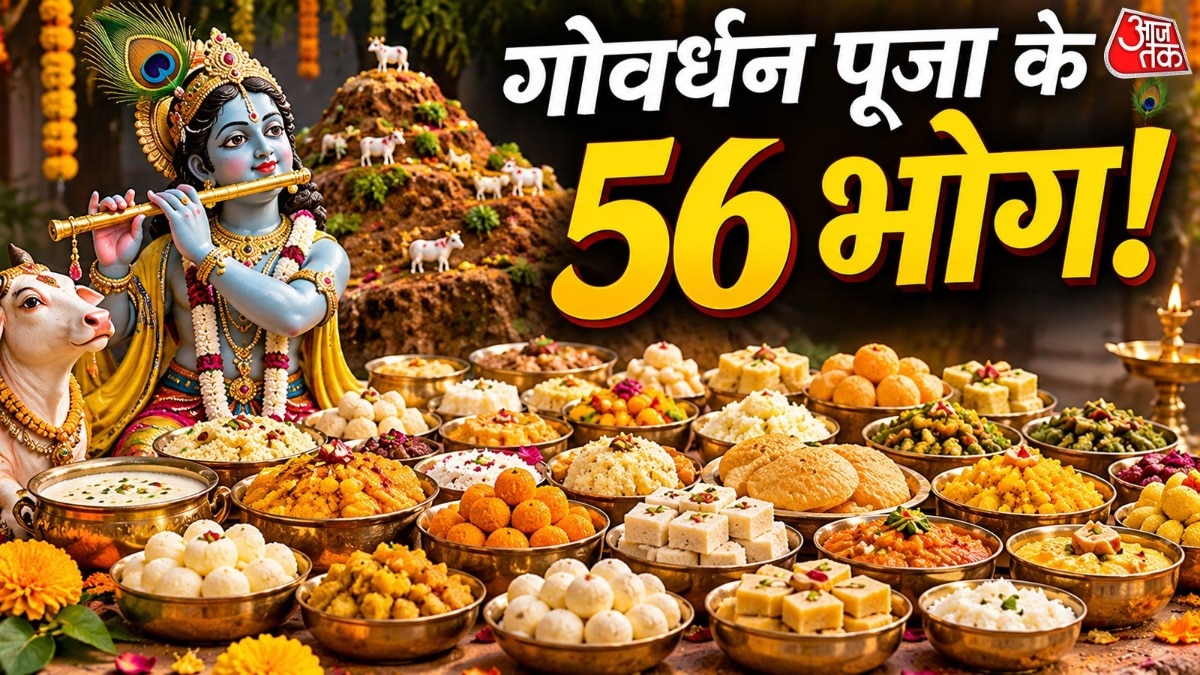
Hindu devotional tradition holds that Yashoda, mother of Lord Krishna, prepared eight meals throughout each day for the young deity. This practice of frequent feeding is rooted in Krishna's childhood narrative within Indian mythology.
The tradition expanded to encompass a broader ritual significance following an episode in which Krishna abstained from food for seven consecutive days to safeguard the residents of Braj, a region associated with his divine childhood. To compensate for this extended fast and honour Krishna's sacrifice, devotees developed a practice of preparing meals according to the eight segments of the day, known as "pehrs" in Hindu tradition.
This mathematical calculation—seven days multiplied by eight daily segments—resulted in a ceremonial offering comprising 56 distinct dishes, referred to as "56 Bhog." The practice became an integral part of Krishna worship and celebration across Hindu communities, particularly in northern India where Krishna veneration is widespread.
The ritual remains significant in contemporary religious observance, with temples and households continuing to prepare elaborate offerings based on this traditional formula. The 56 Bhog represents both a devotional practice and a culinary tradition that connects worshippers to Krishna's mythological life through ritualized food preparation.