World · India Bureau
Hindu tradition links ancestral dreams during Pitru Paksha to life outcomes
During Pitru Paksha, the Hindu observance honouring ancestors, dreams featuring departed relatives are believed to carry spiritual significance. Dream interpretation traditions suggest that the emotional state and behaviour of ancestors in such visions may influence the dreamer's life circumstances.
LSN India ·
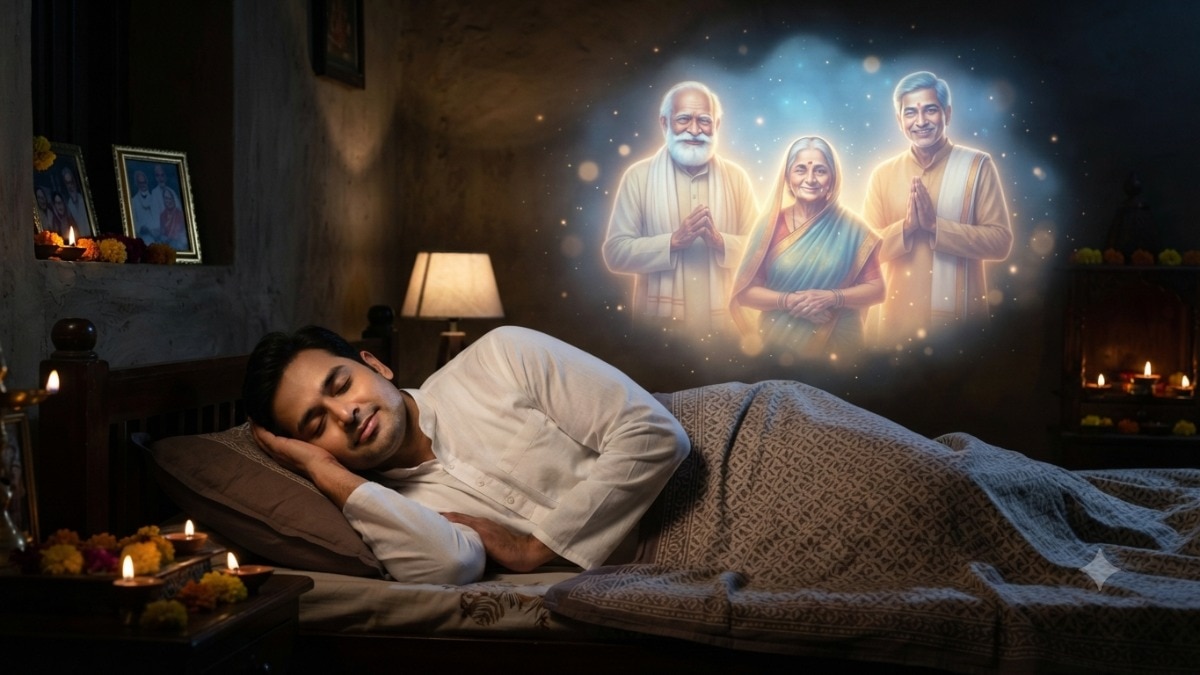
Hindu spiritual tradition holds that during Pitru Paksha—the fortnight dedicated to honouring deceased ancestors—departed relatives are believed to visit the earthly realm. Within this cultural framework, unexpected appearances of ancestors in dreams are considered meaningful occurrences rather than mere coincidence.
According to classical dream interpretation texts within Hindu philosophy, the manner in which ancestors appear in dreams carries interpretive weight. Whether ancestors are depicted as joyful, sorrowful, or distressed is thought to convey messages about their spiritual state and its potential implications for living family members.
The practice of analysing ancestral dreams reflects a broader Hindu belief system connecting the spiritual and material worlds. Practitioners of dream interpretation, known as Swapna Shastra, suggest that such nocturnal visions warrant careful attention and consideration rather than dismissal.
These dream-based beliefs form part of the broader Pitru Paksha observance, which encourages Hindu families to remember their lineage and offer ritual tributes to ancestors. The tradition emphasises the ongoing relationship between living descendants and their forebears, suggesting that spiritual communication may occur through various channels, including dreams and visions.