World · India Bureau
Hindu tradition specifies proper wrist for wearing sacred thread
The practice of wearing kalawa, a sacred thread, is an integral part of Hindu religious rituals and ceremonies. Religious scholars have outlined specific guidelines regarding which wrist should bear the thread to maintain proper observance.
LSN India ·
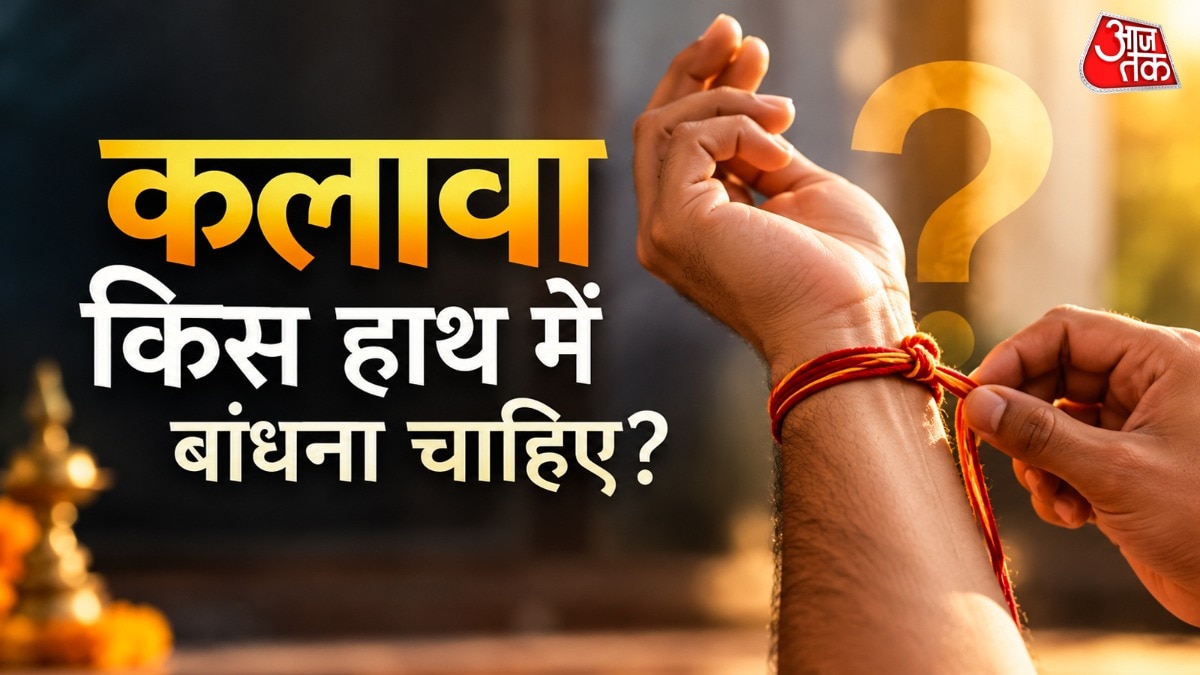
The kalawa, also known as moli or sacred thread, holds significant spiritual importance in Hindu worship practices and religious observances. While the practice of tying this consecrated thread around the wrist is widely observed during pujas and religious ceremonies, many devotees remain unaware of the prescribed protocols governing its proper placement.
According to Hindu religious traditions and scriptural guidance, the kalawa should traditionally be worn on the right wrist rather than the left. Religious scholars attribute this practice to ancient Vedic customs that consider the right side of the body as spiritually pure and auspicious. The right wrist is believed to be the appropriate location for receiving divine blessings and protection offered by the sacred thread.
The significance of this distinction extends beyond mere tradition, as practitioners believe that wearing the kalawa on the correct wrist enhances its spiritual efficacy. During religious ceremonies, pujas, and auspicious occasions, devotees are advised to ensure proper placement to align with established religious protocols and maximize the spiritual benefits associated with the practice.
While regional variations and individual interpretations of Hindu customs exist across India, the predominant guidance from religious authorities emphasizes wearing the kalawa on the right wrist. This practice remains consistent across most Hindu communities and continues to be observed during major festivals, life rituals, and daily worship practices undertaken by millions of devotees throughout India.