World · India Bureau
Hindu tradition warns against offering Shraddha food to unworthy recipients
According to Hindu scriptural texts, food prepared for Shraddha rituals should not be offered to individuals of questionable moral character. Ancient texts outline specific categories of people deemed unsuitable recipients of such sacred offerings.
LSN India ·
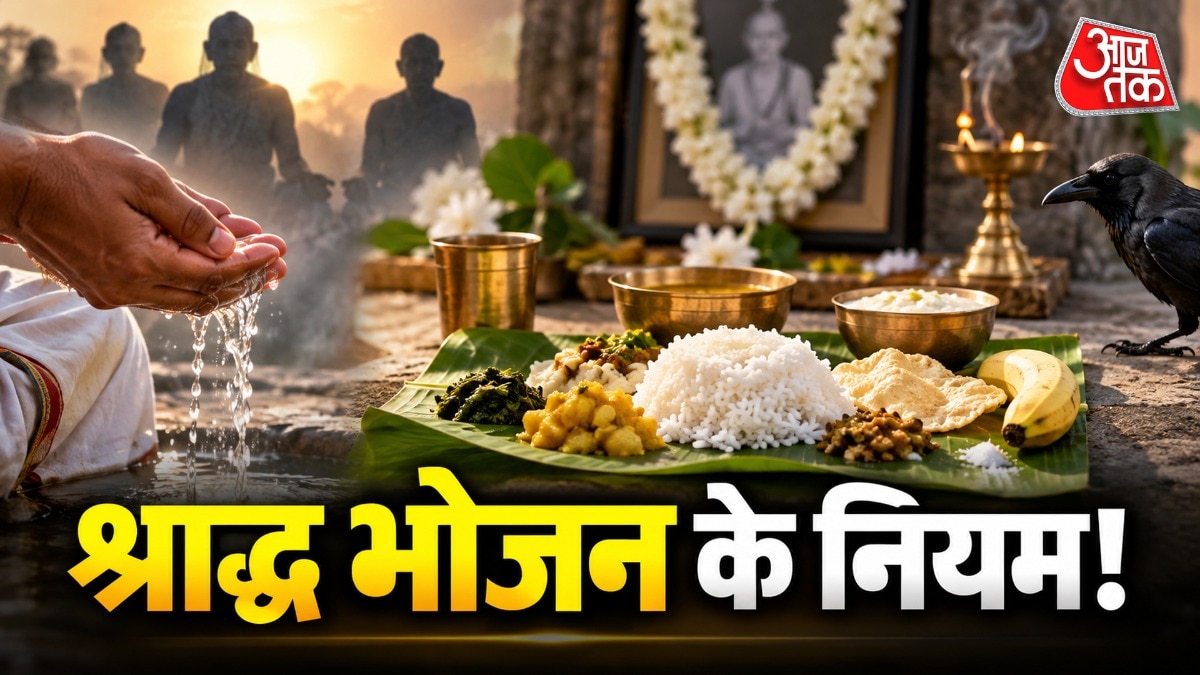
Hindu religious traditions emphasize careful consideration when distributing food prepared during Shraddha ceremonies, the annual rites performed to honour deceased ancestors. Sacred texts, particularly the Markandeya Purana, specify that Shraddha food should be offered only to worthy recipients, with particular attention given to the moral character of those receiving the offerings.
According to traditional Hindu teachings, food prepared for Shraddha rituals should not be given to individuals engaged in deceitful practices, theft, or those who cause harm to others for personal gain. The scriptural guidance reflects the belief that such offerings carry spiritual significance and should reach individuals of sound moral standing to ensure the proper transmission of blessings to departed ancestors.
The Markandeya Purana and other classical Hindu texts suggest that offering Shraddha food to unworthy individuals may obstruct the spiritual benefits intended for one's ancestors. This teaching underscores the importance of moral discernment in Hindu religious observances, where the integrity of the ritual depends not merely on the preparation of food but also on the worthiness of those who partake in it.
During the Shraddha season, typically observed during the Hindu lunar month of Bhadrapada, families perform elaborate rituals to remember and honour their deceased relatives. The tradition remains widely observed across India and among Hindu communities worldwide, with adherence to scriptural guidelines considered essential to the ritual's spiritual efficacy.