World · India Bureau
Hindutva ideology perpetuates colonial-era distortions of Indian history: Thapar
Renowned historian Romila Thapar argues that contemporary Hindutva interpretations of Indian history echo colonial frameworks rather than offering fresh analysis. She contends that greater reliance on physical evidence and inscriptions could have produced fundamentally different historical narratives.
LSN India ·
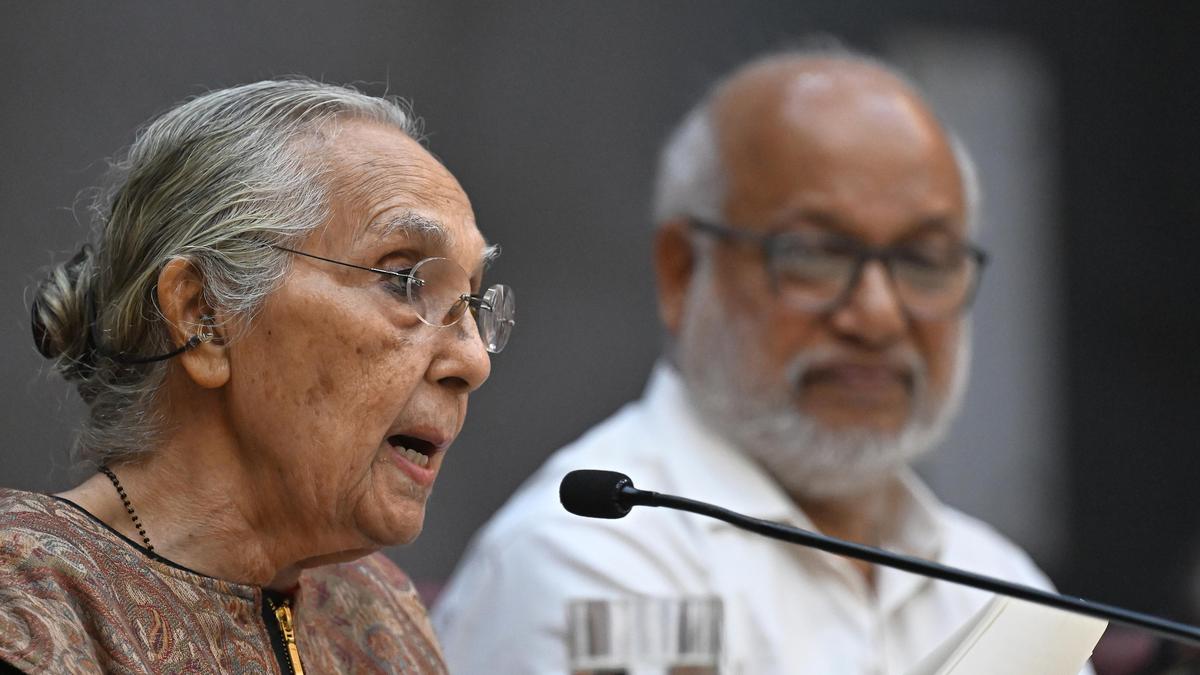
Historian Romila Thapar has criticized how Hindutva ideology shapes contemporary readings of Indian history, arguing that such interpretations build upon rather than challenge colonial-era scholarly approaches to the subcontinent's past.
Thapar highlighted the importance of physical evidence—particularly inscriptions, archaeological artifacts, and epigraphic records—in constructing historical narratives. She suggested that had greater scholarly attention been devoted to these material sources rather than textual traditions alone, Indian history may have been interpreted in substantially different ways.
The observation points to a broader debate within Indian historical circles about methodology and interpretation. While colonial historians relied heavily on selective textual analysis and external frameworks, Thapar's emphasis on archaeological evidence underscores how empirical approaches might challenge received historical interpretations.
Her remarks contribute to ongoing discussions about how India's past is understood and presented, particularly regarding the interpretation of pre-modern Indian civilizations, religious interactions, and cultural developments. The debate remains significant as different communities and scholars continue to contest historical narratives and their contemporary implications.