World · India Bureau
Historians revive legacy of Rani Abbakka Chowta, India's naval warrior
A 16th-century coastal ruler who resisted foreign colonial powers through maritime warfare, Rani Abbakka Chowta remains largely absent from mainstream historical narratives despite her significant role in India's resistance movements.
LSN India ·
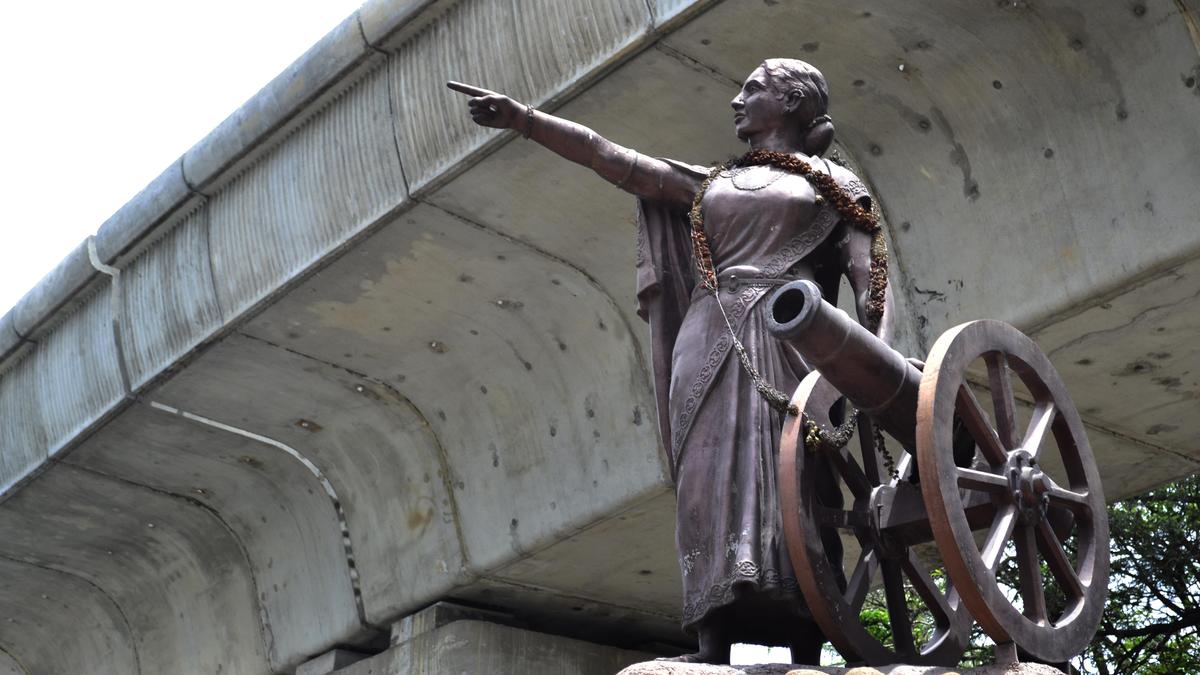
Rani Abbakka Chowta, who ruled the Chowta kingdom in present-day Karnataka during the 16th century, mounted one of India's earliest organized naval defenses against European colonial expansion. Operating from her stronghold along the Arabian Sea coast, the warrior queen built and commanded a formidable fleet that challenged Portuguese colonial ambitions in the region, earning her recognition as a pioneering maritime strategist.
Despite her considerable military achievements and strategic importance in resisting foreign domination, Abbakka Chowta's contributions have been overshadowed in popular Indian historical discourse. Her story has been eclipsed by later freedom fighters who became central figures in India's independence narrative, leaving a significant chapter of resistance history largely forgotten.
Historians and cultural advocates have increasingly called for reassessment of Abbakka Chowta's role in India's broader struggle against colonialism. Her naval warfare tactics, administrative acumen, and defiance of foreign powers demonstrate that organized resistance to colonization predated the modern independence movement by centuries. Scholars argue that recognizing her legacy provides a more complete understanding of India's historical resistance to foreign rule.
The revival of Abbakka Chowta's historical significance reflects growing efforts to document and honor lesser-known figures whose contributions shaped India's political and military heritage. Her story underscores the importance of regional narratives in understanding the country's complex history beyond the conventional framework of independence-era freedom struggles.