World · India Bureau
Historic carpentry techniques revived in architectural restoration project
A restoration initiative in the United States has brought renewed attention to traditional mortise-and-wedge joinery methods, a carpentry technique dating back to the 16th century. The project demonstrates the enduring value of heritage woodworking craftsmanship in modern restoration work.
LSN India ·
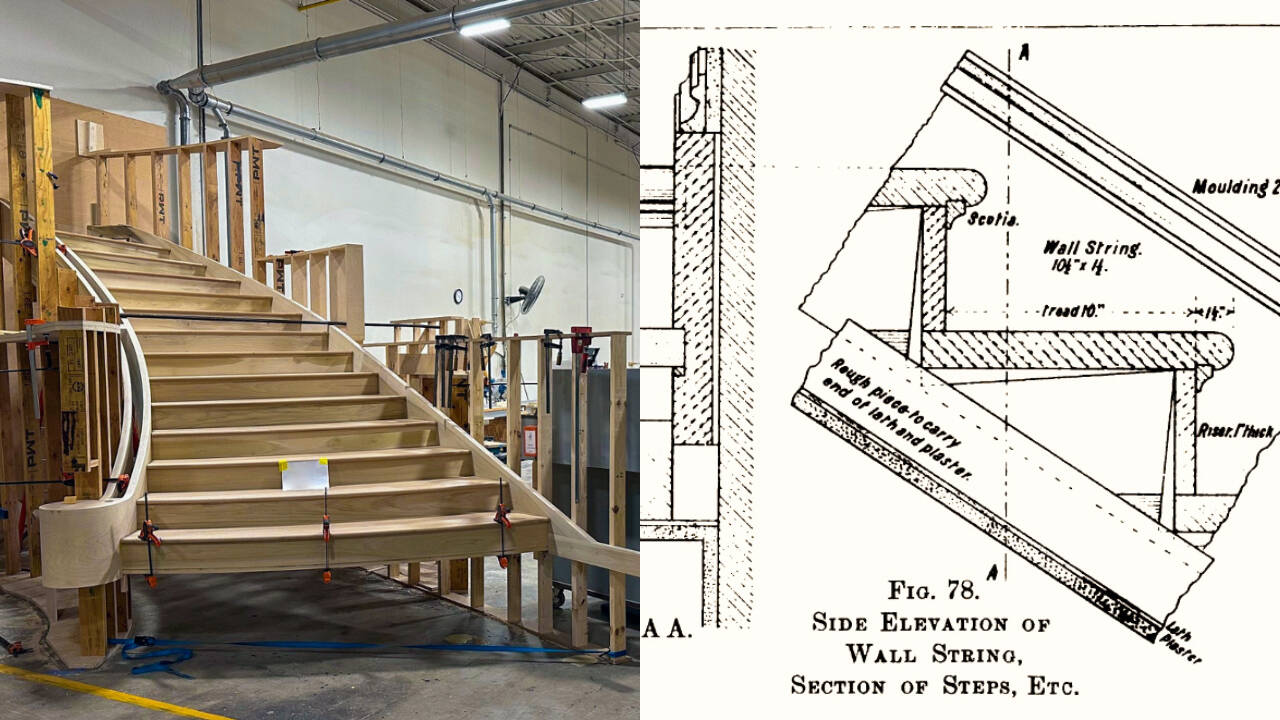
Craftspeople have successfully employed centuries-old joinery techniques to restore a historic staircase, reviving woodworking methods that have largely fallen out of common practice. The mortise-and-wedge joinery approach, which dates to the 1500s, involves creating interlocking wooden joints without the use of metal fasteners or adhesives.
The restoration project highlights the structural integrity and longevity of traditional joinery methods. These techniques allow wooden components to move naturally with changes in humidity and temperature, reducing stress on materials and extending the lifespan of wooden structures. Master craftspeople must possess specialized knowledge to execute these joints accurately, requiring years of training and experience.
The revival of such traditional methods has attracted renewed interest among conservators and restoration specialists working on historic properties. As modern materials and techniques have become standard practice, the knowledge of heritage carpentry methods had diminished significantly across the building trades. This project serves as a demonstration of how historical building practices remain relevant and effective for preserving architectural heritage.
Architectural historians note that understanding and applying period-appropriate construction methods is essential for authentic restoration work. The success of this initiative may inspire other heritage preservation projects to seek out skilled craftspeople capable of employing traditional joinery techniques. Such efforts ensure that both the physical structures and the knowledge of historical craftsmanship are preserved for future generations.