Business · Bangladesh Bureau
Historic fish market thrives on Brahmaputra riverbanks for two centuries
A centuries-old fish market operating along the Brahmaputra River continues to serve as a vital commercial hub and cultural landmark. The bustling marketplace has maintained its traditional operations for nearly 200 years, adapting to modern demands while preserving its historical character.
LSN Bangladesh ·
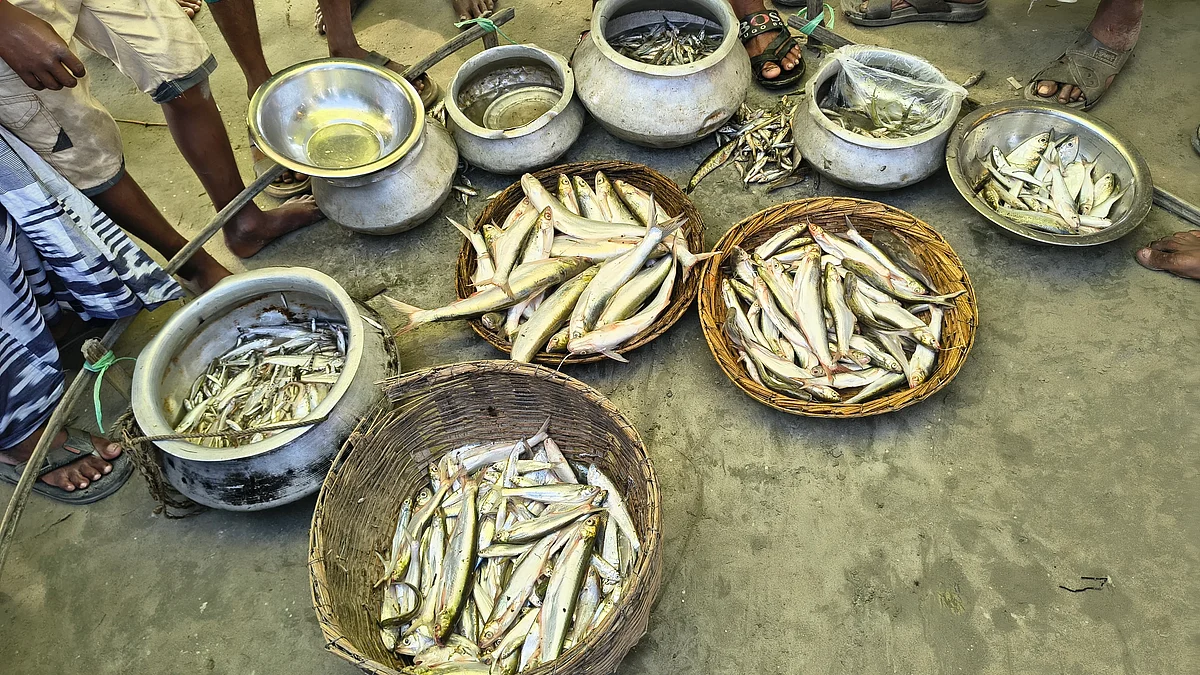
The fish market, strategically positioned on the banks of the Brahmaputra River, has been a cornerstone of regional trade and commerce since its establishment nearly two centuries ago. The market's longevity reflects the river's enduring importance as a commercial artery and the steady demand for fresh aquatic produce across the region.
Daily operations at the market showcase the traditional practices that have defined the trade for generations. Fishermen and traders gather at dawn to conduct transactions, displaying the day's catch and negotiating prices with wholesale and retail buyers. The marketplace serves communities across multiple regions, providing employment to hundreds of vendors, transporters, and support workers.
Despite modernization efforts in the broader economy, the market has retained many of its traditional characteristics. The riverine location continues to facilitate the supply chain, with fishermen bringing their catches directly from boats to the market stalls. Local businesses dependent on the market's operations—from restaurants to food processors—rely on its consistent supply of fresh fish.
The market represents an important piece of regional cultural and economic heritage. As one of the oldest continuously operating commercial centers in the area, it demonstrates the sustained viability of traditional trade practices and the enduring relationship between communities and the Brahmaputra River. Authorities and stakeholders have recognized the market's significance both as a commercial enterprise and as a cultural institution worth preserving for future generations.