World · India Bureau
Historic Wildlife Refuge Created From Aviation Pioneer's Land Donation
A 2,500-acre gift from aviation industrialist Glenn L. Martin in 1954 transformed a former hunting preserve into one of the region's most important bird sanctuaries. The refuge now protects critical habitat for thousands of migratory species annually.
LSN India ·
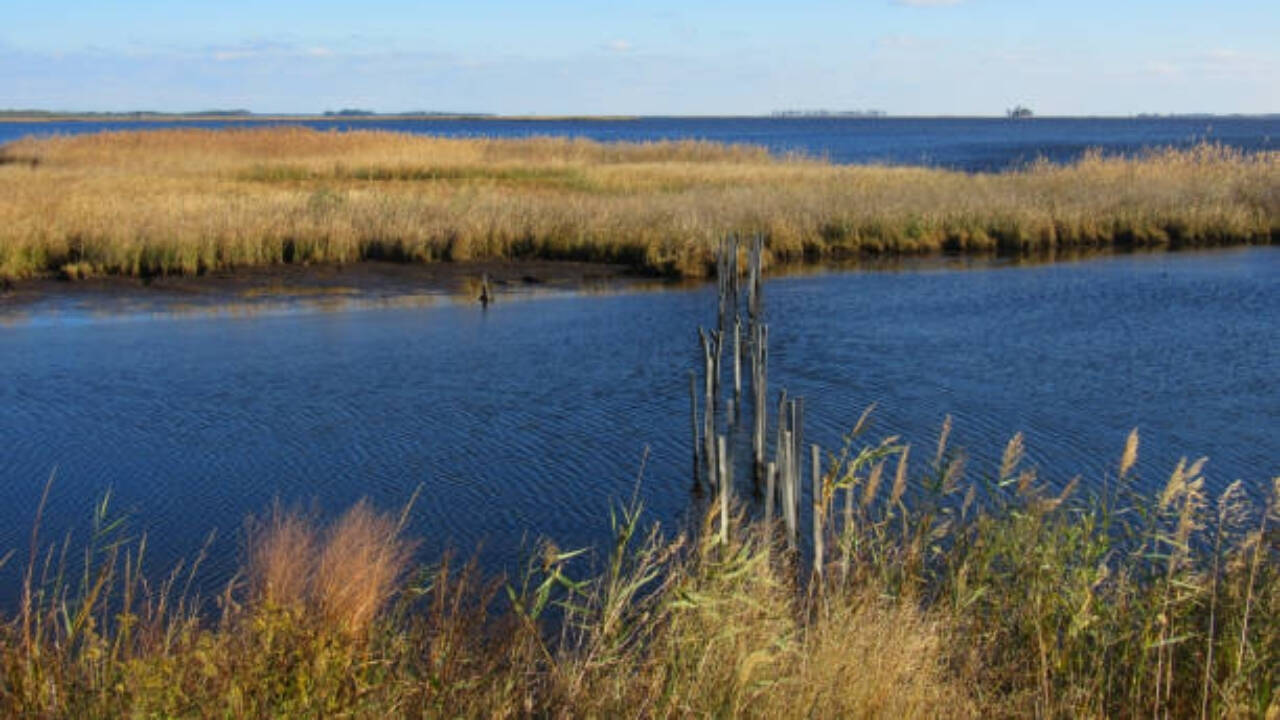
What began as a private hunting preserve has evolved into a vital ecological sanctuary protecting some of the region's most important wetland habitats. In 1954, aviation pioneer Glenn L. Martin donated over 2,500 acres of land, establishing the foundation for a refuge that would become a critical stopover point for migratory birds traversing seasonal migration routes.
The sanctuary encompasses diverse ecosystems including tidal marshes and wooded ridges, creating ideal conditions for waterfowl and numerous bird species seeking shelter during their long journeys. The refuge provides essential nesting grounds and feeding areas for birds during critical periods of their annual migration cycles, supporting populations that might otherwise struggle to find adequate habitat in increasingly developed regions.
Beyond its role as a bird sanctuary, the refuge supports a broader array of wildlife. Mammals, reptiles, and marine species inhabit the protected area, creating an interconnected ecosystem that preserves the bay's natural landscape and biological diversity. The sanctuary has expanded considerably since its establishment, growing to encompass a larger area as conservation efforts have progressed.
Today, the refuge stands as a testament to early conservation efforts and demonstrates how private land donations can establish lasting environmental protections. The site continues to serve as a model for habitat preservation, drawing researchers and bird enthusiasts while maintaining its primary function as a sanctuary for the thousands of migratory species that depend on its ecosystems each year.