World · India Bureau
Historical account revisits 1934 sale of landmark cave attraction
A significant chapter in American heritage tourism history involves the sale of a major cave hotel property at a nominal price during the Great Depression era. The transaction raises questions about historical valuation and the circumstances surrounding major property transfers in that period.
LSN India ·
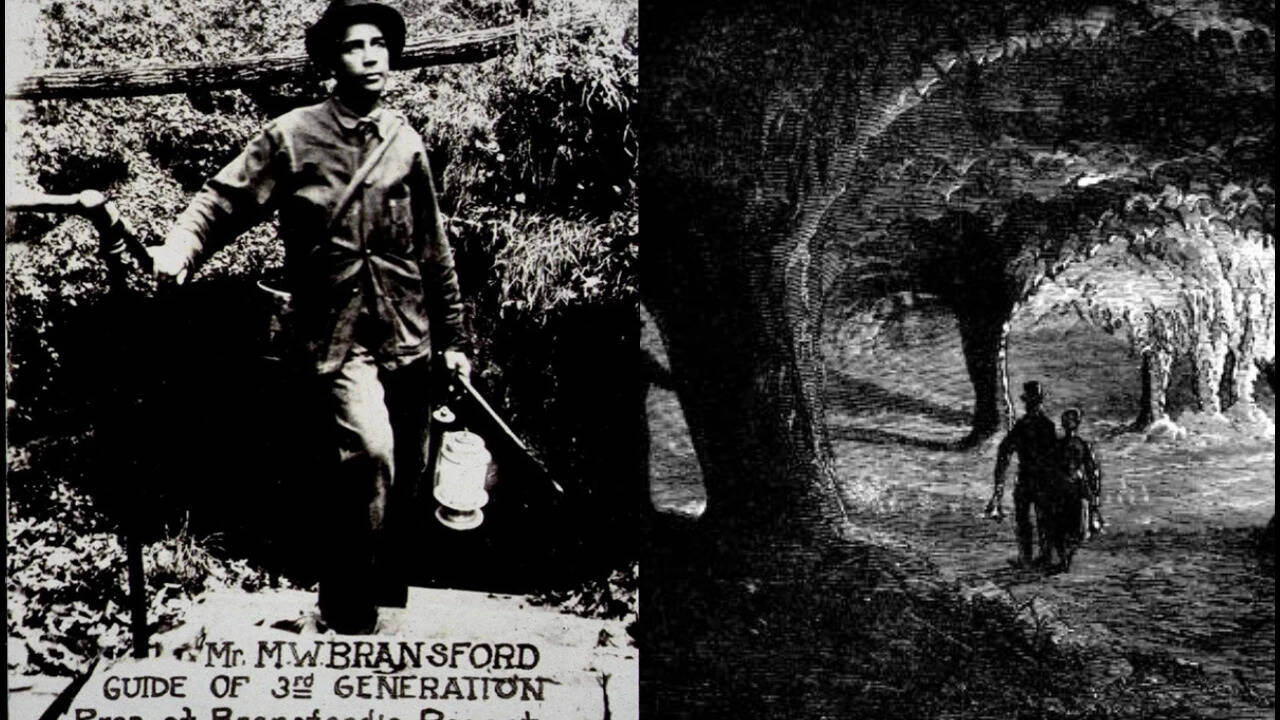
The early decades of the 20th century witnessed numerous transactions involving prominent American tourist destinations under challenging economic circumstances. Historical records indicate that property valuations during the 1930s often reflected the severe financial constraints of the Great Depression, when even established commercial enterprises struggled to maintain their worth.
Cave tourism has long held an important place in American heritage and leisure activities, with several natural formations developed into commercial attractions during the 19th and early 20th centuries. These sites often employed local guides who played crucial roles in the visitor experience and site operations.
The transaction referenced in historical documentation demonstrates how dramatically economic conditions influenced property values during this period. Assets that had represented significant investments in earlier decades frequently sold for considerably reduced amounts as the nation grappled with financial crisis.
Such historical sales reflect broader economic patterns of the Depression era, when many business owners faced difficult decisions regarding asset disposition. The period remains significant for understanding how major commercial enterprises adapted to unprecedented economic challenges.
Historians continue to examine the circumstances and implications of major property transactions from this era, using them as indicators of economic conditions and business practices during one of America's most challenging economic periods.