World · India Bureau
Historical grievances shape contemporary Indian political discourse
India's political landscape continues to be influenced by historical narratives and past events, with competing interpretations of the nation's history playing a central role in current debates. These contested legacies remain central to understanding present-day political dynamics and factional divisions.
LSN India ·
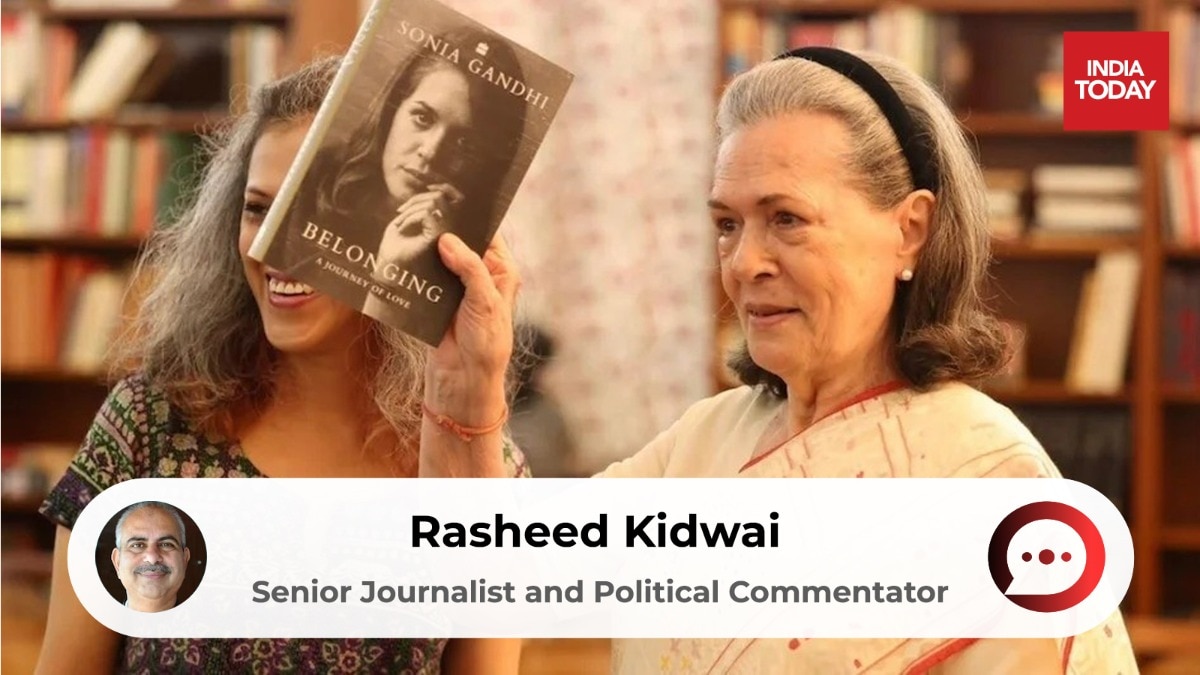
India's approach to its own history remains deeply contested, with different political constituencies offering competing interpretations of significant historical events and figures. These divergent narratives shape contemporary policy debates and electoral strategies, reflecting broader questions about how the nation should understand and reckon with its past.
Historical grievances and reinterpretations continue to influence public discourse across India's political spectrum. From debates surrounding colonial-era policies to discussions about more recent periods of governance, historical events are frequently invoked to justify current political positions and mobilize support among voters.
The enduring prominence of historical narratives in Indian politics underscores how interpretations of the past remain malleable and politically significant. Rather than becoming settled historical fact, key events continue to generate fresh controversy and serve as touchstones for contemporary political arguments.
As India navigates present-day challenges, the nation's relationship with its own history remains unresolved in many respects. Political leaders across the spectrum draw selectively from historical precedent, using different interpretations of past events to advance their visions for the country's future direction and identity.