World · Sri Lanka Bureau
Historical mango tree becomes symbol of Arahat Mahinda's legacy
A centuries-old mango tree associated with Arahat Mahinda is emerging as a focal point for discussions about Sri Lanka's Buddhist heritage and historical preservation. The tree's significance continues to capture attention across religious and cultural communities.
LSN Sri Lanka ·
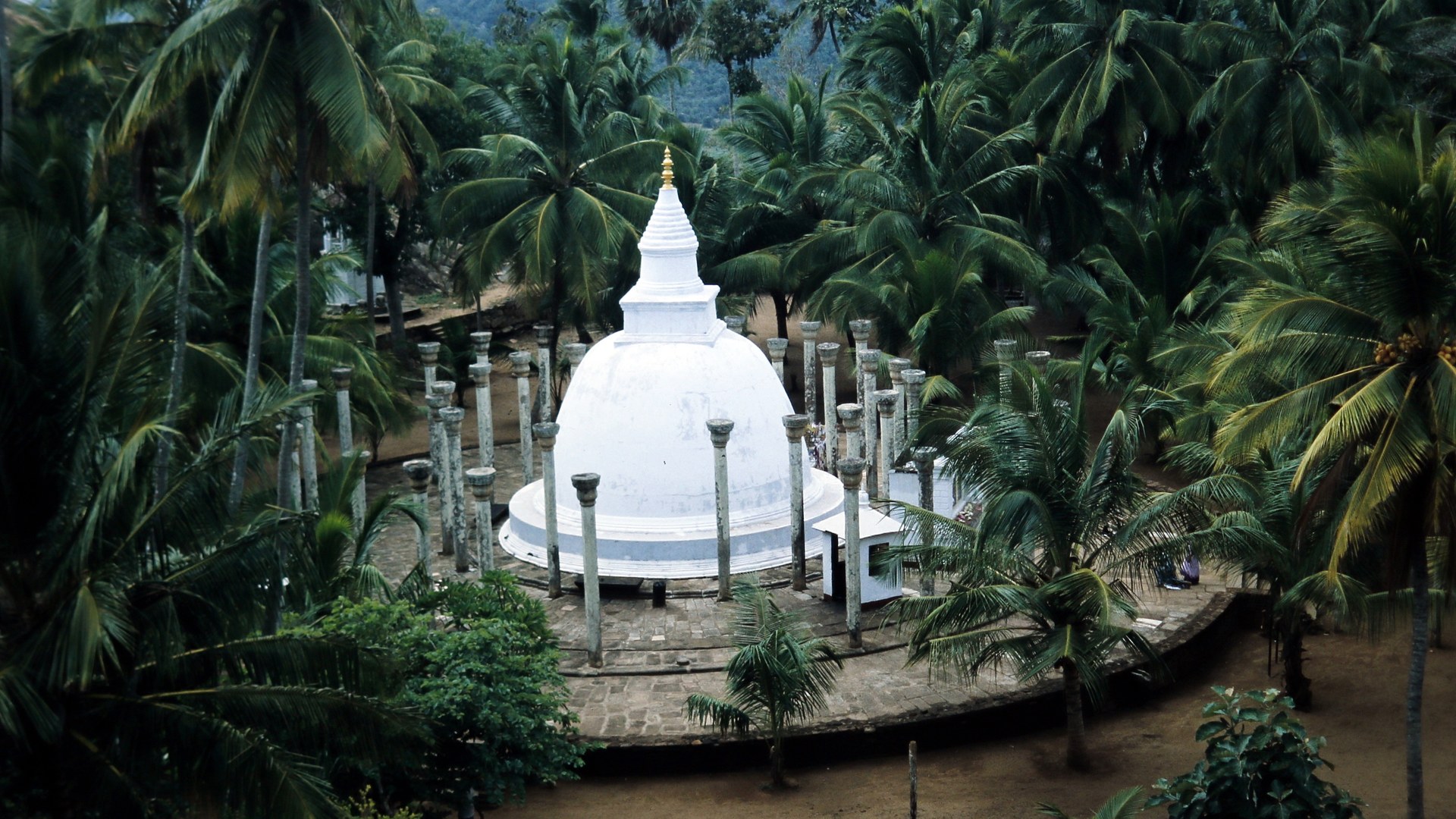
The mango tree linked to Arahat Mahinda, the renowned Buddhist missionary credited with bringing Theravada Buddhism to Sri Lanka in the third century, has become a subject of renewed interest and examination. The tree stands as a tangible connection to one of the island's most revered historical figures and represents the enduring nature of Sri Lanka's spiritual traditions.
Arahat Mahinda, son of Indian Emperor Ashoka, arrived in Sri Lanka during the reign of King Devanampiya Tissa and played a pivotal role in establishing Buddhism as a central force in the island's cultural and social fabric. The mango tree associated with his memory has long held symbolic importance within Buddhist communities and continues to attract pilgrims and scholars seeking to understand this formative period of the nation's history.
The tree serves as a living testament to the intersection of history, religion, and nature in Sri Lankan society. Its preservation and the stories surrounding it reflect broader questions about how the nation maintains connections to its ancient past while navigating contemporary development and modernization.
The continued recognition of such historical sites underscores Sri Lanka's commitment to safeguarding its Buddhist heritage for future generations. The mango tree remains a physical anchor point for communities seeking to understand and honor the contributions of figures like Arahat Mahinda to the nation's spiritual and cultural identity.
Photo: The Ambasthala Dagoba at Mihintale, Sri Lanka, 1992. Chrisi1964 via Wikimedia Commons (CC BY-SA 4.0).