World · Malaysia Bureau
Historical Melaka offers lessons on Malaysia's multicultural foundations
Historians challenge narratives suggesting non-Malay communities arrived only as a result of colonial administration, pointing to centuries of established presence in the region.
LSN Malaysia ·
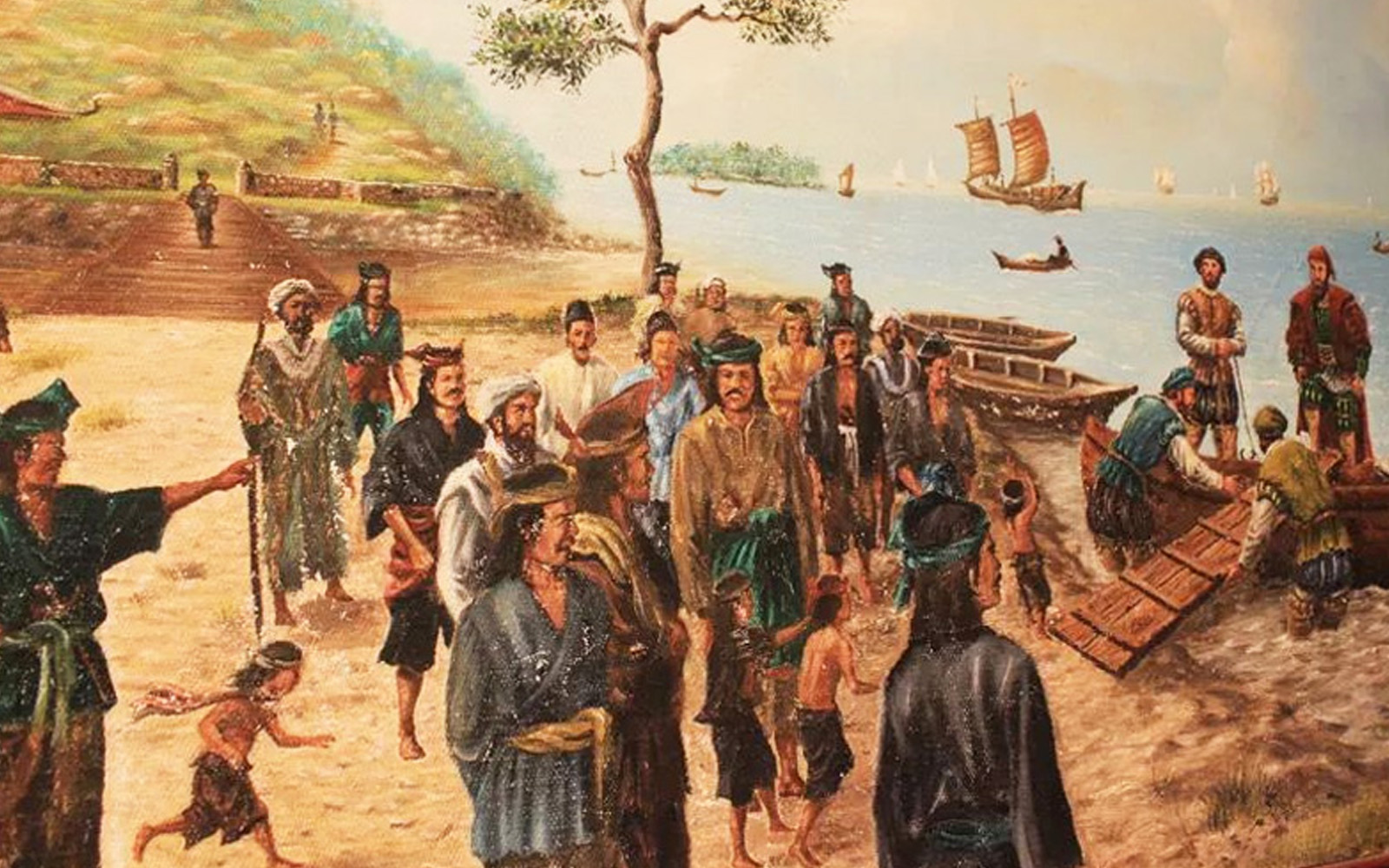
Scholars examining Malaysia's historical record argue that the multicultural composition of the peninsula predates European colonial expansion by several centuries, contradicting claims that non-Malay populations represent a colonial legacy.
The sultanate of Melaka, which flourished between the 15th and 16th centuries before Portuguese conquest, demonstrated a functioning multiethnic society with established merchant communities, administrative structures, and cultural exchange. Historical records indicate that Chinese, Indian, Arab, and other traders maintained permanent settlements and integrated into the social fabric during this pre-colonial period.
This historical reality suggests that diversity was not imposed by colonial powers but rather an organic feature of regional commerce and settlement patterns. The development of port cities and trade networks naturally attracted merchants and communities from across Asia, creating cosmopolitan societies generations before European intervention.
The historical record of Melaka and other peninsula ports provides empirical evidence that multiculturalism is not an external imposition but rather a characteristic element of Southeast Asian society with deep historical roots. Understanding this context remains relevant to contemporary discussions about national identity and social cohesion in Malaysia.