World · Vietnam Bureau
Historical photos reveal Hanoi's transformation from trams to motorbike dominance
Archival images from the 1940s document a Hanoi powered by rickshaws, cyclos, and electric trams—a stark contrast to today's traffic landscape dominated by millions of motorcycles. The shift reflects decades of urban evolution tied to the city's changing identity.
LSN Vietnam ·
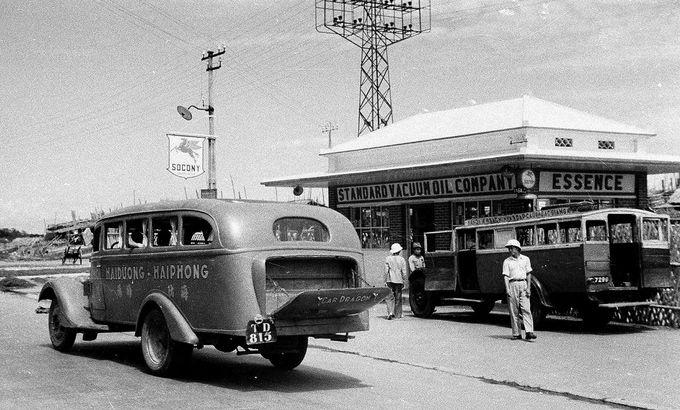
Hanoi's public transportation system has undergone profound changes over the past eight decades, with historical photographs providing a window into the Vietnamese capital's former mobility landscape. Images from the 1940s show a city where cyclos, rickshaws, and electric trams formed the backbone of daily commuting, creating a fundamentally different urban experience from the present day.
The transition reflects broader patterns of economic development and motorization across Southeast Asia. Trams and trolleybuses once carved predictable routes through Hanoi's colonial-era streets, while human-powered transport remained commonplace. These systems created slower-paced streetscapes where pedestrians, bicycles, and small vehicles coexisted in relative balance.
By the 21st century, this equilibrium had shifted dramatically. Today, approximately 6.9 million motorcycles navigate Hanoi's roads, fundamentally reshaping traffic patterns, urban planning, and the character of public spaces. The rise of personal motorization has been accompanied by corresponding changes to bus networks and the elimination of tram services, reflecting evolving consumer preferences and economic capacities.
Historians and urban planners point to these archival records as valuable documentation of Hanoi's evolving relationship with mobility and modernization. The photographs serve as cultural markers, capturing moments when the city's transportation choices were inextricably linked to earlier incarnations of Hanoi's identity and daily life.