World · India Bureau
History Must Explain Society's Evolution, Not Politics: Thapar
Eminent historian Professor Romila Thapar has cautioned against using historical narratives for contemporary political purposes, arguing that interpretations of India's past cannot be reduced to singular, fixed readings. She emphasizes that rigorous historical inquiry should focus on understanding the development of Indian society rather than serving ideological agendas.
LSN India ·
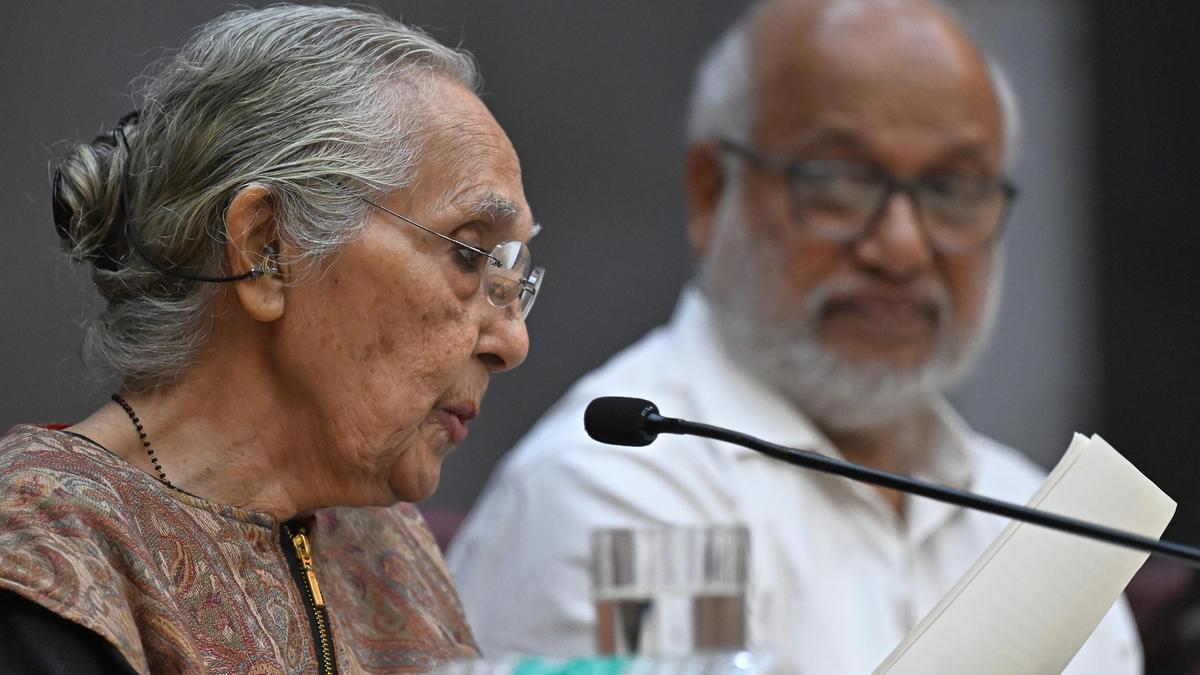
Professor Romila Thapar, one of India's most respected historians, has challenged attempts to impose a monolithic interpretation of the nation's history, particularly those rooted in Hindutva ideology. Speaking on the role of historical scholarship, Thapar stressed that history must not be instrumentalized to construct narratives serving contemporary political objectives.
The distinguished academic argued that any single, fixed reading of Indian history fails to capture the complexity and diversity inherent in the subcontinent's past. She contended that such reductive approaches undermine the fundamental purpose of historical inquiry, which is to provide nuanced understanding of how Indian society has evolved across centuries.
Thapar's remarks come amid ongoing debates about how India's history is taught and interpreted in public discourse. She advocated for scholarship that prioritizes evidence-based analysis over ideological imperatives, asserting that historians have a responsibility to examine multiple perspectives and acknowledge the region's pluralistic traditions.
The historian's intervention underscores broader concerns within India's academic community about preserving the integrity of historical research against political pressures. Thapar emphasized that rigorous historical study demands openness to complexity rather than the construction of convenient narratives aligned with present-day agendas, particularly those seeking to reshape national identity through selective interpretations of the past.